
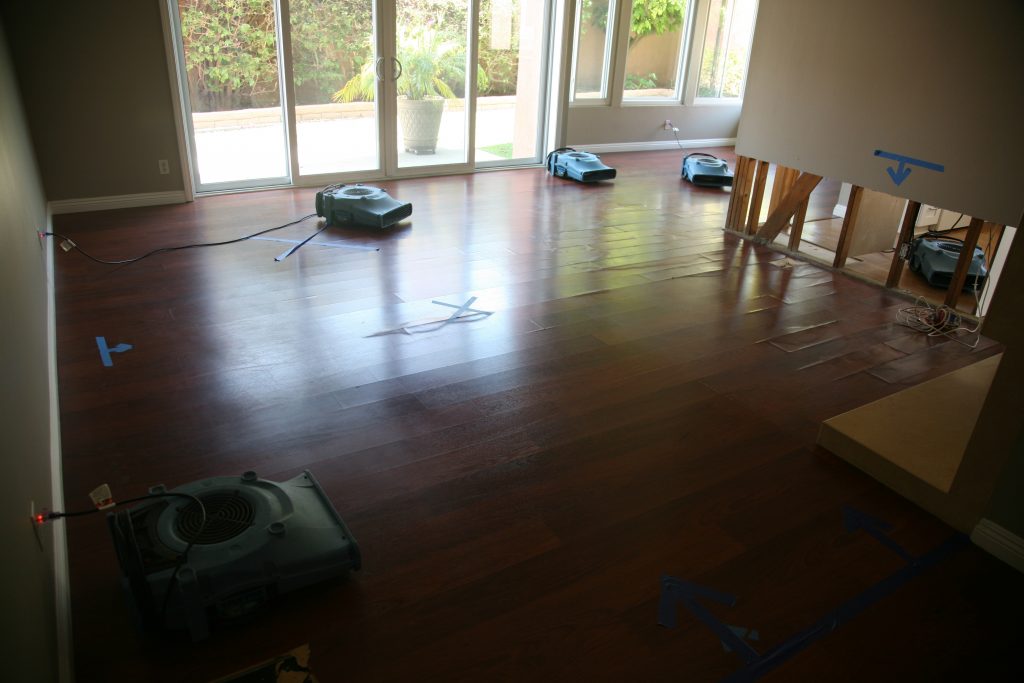
A burst pipe cleanup starts with calm, fast decisions in the first few minutes. Therefore, the steps you take right away can reduce water damage, lower repair scope, and protect indoor air quality. Envirotech Abatement & Remediation responds to urgent property situations across Calgary, and the first hour is where smart actions matter most.
First 5 Minutes Safety Comes First
When water is spreading, safety must be the first priority. Firstly, look for electrical risks around outlets, appliances, and power bars near the wet area. If water is close to any electrical source, shut off power to the affected zone at the breaker panel if it is safe to reach. That is to say, never step into standing water to reach a panel or device. Next, watch for ceilings that begin to bulge, sag, or drip, because that can signal trapped water above drywall. Envirotech Abatement & Remediation can guide next steps by phone, and we focus on safe access before any drying work begins.
Quick Safety Check You Can Do
Check the floor for slip hazards and move kids and pets away from the area. Meanwhile, open a nearby window if humidity rises fast, but avoid spreading moisture into other rooms by running fans too early. For example, a strong fan can push water into baseboards and under flooring if the source is not controlled yet. If the pipe burst is near a furnace, hot water tank, or laundry appliances, keep clear until the water is stopped and the area is assessed.
Minutes 5 to 15 Stop the Water Source
Stopping the water is the most important action after safety. Secondly, locate the nearest shutoff valve for that line if you know it, and turn it clockwise until it stops. If the local valve fails or is hard to find, shut off the main water supply for the home. Consequently, the flow ends, and the damage footprint stops growing. After that, open a faucet on the lowest level to relieve pressure and drain remaining water from the lines. If the burst is from a hot water line, turn off the water heater supply as well to protect the unit.
What to Do If You Cannot Find the Shutoff
If the shutoff is unknown, look near the water meter, mechanical room, or where the main line enters the home. In other words, focus on the simplest point that stops all water. If the valve is stuck, do not force it with excessive torque, because that can cause additional failure. Envirotech Abatement & Remediation can help you plan the safest next move, and we can prepare the property for controlled drying once the water is off.
Minutes 15 to 30 Protect Floors, Walls, and Belongings
With the flow stopped, protecting materials becomes the next priority. Most importantly, remove rugs, cushions, and fabric items from the wet zone, because they hold moisture and can support mold growth. Lift lightweight furniture off wet flooring using wood blocks, plastic shims, or towels. For instance, laminate and engineered wood can swell quickly when water reaches seams. If water is running toward stairs or adjacent rooms, place towels or temporary barriers to redirect it into a controlled area for collection.
Contain Moisture Without Spreading It
Avoid opening every interior door, because humidity can travel. Similarly, avoid turning on HVAC systems that can move damp air through ducts. If you have a wet vacuum and it is safe, remove surface water from hard floors. Envirotech Abatement & Remediation helps limit secondary damage, and we start by mapping where moisture likely moved, including behind baseboards and under flooring layers.
Minutes 30 to 45 Document and Start the Right Drying Plan
Documentation protects your claim and supports a correct restoration scope. Firstly, take clear photos and short videos of the burst source, the wet areas, and any damaged items. Capture wide shots and close ups, and note the time the water was discovered and shut off. Therefore, you have a clean timeline. After that, contact a restoration team that handles extraction, drying strategy, and moisture verification. A proper burst pipe cleanup is not only about visible water, but also about hidden moisture in cavities and subfloors.
When to Call for Professional Water Restoration
If water reached drywall, insulation, or flooring edges, professional drying is usually needed. That is to say, surface drying alone can leave moisture trapped where mold can start. Envirotech Abatement & Remediation offers water restoration in Calgary with equipment selection based on materials, temperature, and measured moisture levels, and we coordinate steps so drying stays controlled and documented.
Minutes 45 to 60 Choose the Next Restoration Path
By the end of the first hour, the goal is control, containment, and a clear plan. Secondly, a technician will typically assess category of water, affected materials, and how far moisture migrated. Consequently, the plan may include selective removal of wet drywall, controlled drying, and targeted cleaning. If other events also impacted the property, the restoration plan may overlap with broader recovery needs. For example, severe weather can compound water entry, while smoke can complicate cleaning decisions.
How Related Restoration Services Fit In
Some properties need more than water response. Envirotech Abatement & Remediation supports restoration services in Calgary when multiple areas are affected, and the approach stays organized from assessment to final verification. If your home also suffered exterior impacts, hail and wind damage restoration can be part of the same recovery plan. Likewise, if the emergency is tied to heat, soot, or suppression water, fire damage restoration may be required to address both odor and material safety. To keep response simple, start with the Envirotech Abatement & Remediation team and build the plan from the facts on site.
FAQs
What is the first thing to do after a pipe bursts?
Firstly, confirm safety and stop the water at the nearest shutoff or the main valve. Therefore, the damage footprint stops expanding and the next steps become more controlled.
Should I start fans and dehumidifiers right away?
Not always. In other words, if the source is not controlled or water is trapped in cavities, early airflow can spread moisture. A measured drying plan works better than guessing.
How fast can mold start after water damage?
Mold can begin to grow within 24 to 48 hours in the right conditions. Consequently, the first hour matters because it sets up proper extraction, containment, and drying.
Do I need to remove drywall after a burst pipe?
Sometimes. For example, if drywall and insulation are saturated, selective removal can be part of the drying strategy. A moisture inspection confirms what should stay and what must go.
What information should I collect for insurance?
Take photos, note times, and list damaged items. Above all, document the burst source and the areas affected, because clear records support faster claim handling and proper scope decisions.