
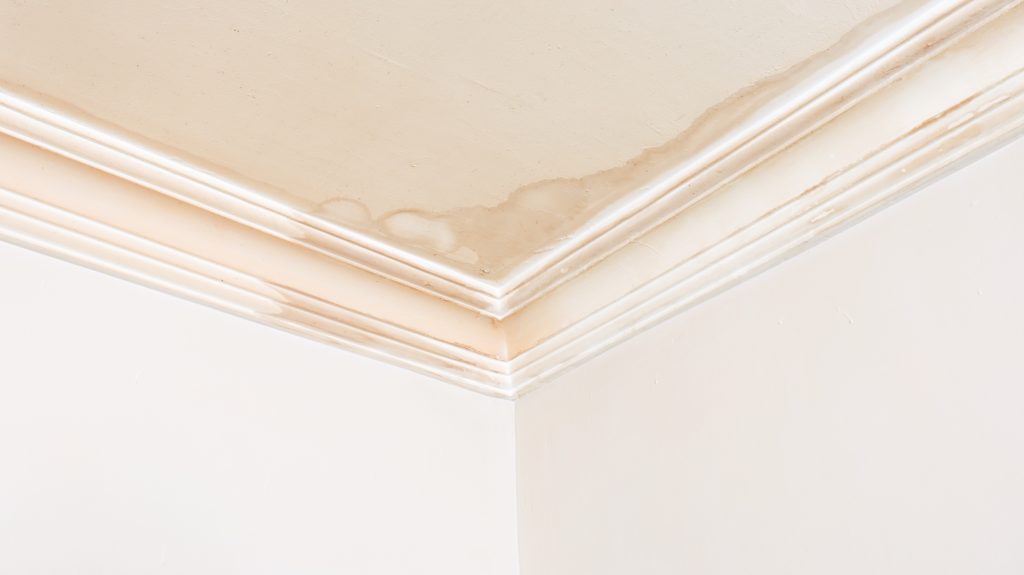
Ceiling stains often look small at first, however they are rarely just surface issues. In many homes, these marks are early warnings of hidden problems that can grow worse over time. Envirotech sees this pattern regularly, where what starts as a faint discoloration leads to deeper structural or moisture-related damage.
Understanding what these stains mean is important. Therefore, acting early can prevent more costly repairs and reduce long-term risks inside the home.
What Different Ceiling Stains Can Tell You
Not all ceiling stains are the same. Some appear as light yellow rings, while others look dark, uneven, or even textured. That is to say, the appearance of the stain often gives clues about what is happening behind the surface.
A light brown or yellow stain usually points to a slow water leak. This could come from plumbing above, roof issues, or even condensation buildup. However, darker stains or expanding patches often indicate ongoing moisture exposure that has not been addressed.
In many cases, homeowners clean or repaint the area, but the stain returns. As a result, this signals that the real problem is still active behind the ceiling. Identifying the source early makes a major difference in limiting further damage.
Hidden Water Damage Behind the Ceiling
Water does not stay in one place once it enters a structure. Instead, it spreads through insulation, wood framing, and drywall. Consequently, a small stain may represent a much larger affected area above.
Leaks from roofs or pipes often travel along beams before appearing on the ceiling. For example, a stain in one room may actually originate from another section of the home. This makes proper inspection essential rather than guessing the source.
When dealing with moisture-related issues, professional assessment becomes important. Services like water restoration Calgary help identify where the water is coming from and how far it has spread. In addition, proper drying and repair steps prevent the problem from returning later.
When Storm Damage Is the Cause
Ceiling stains sometimes appear after heavy weather events. Strong winds, hail, or sudden temperature changes can damage roofing materials without being immediately visible. Meanwhile, water slowly enters through weakened areas and creates stains over time.
After storms, even small roof vulnerabilities can allow moisture inside. As a result, stains may show up days or even weeks later. This delay often confuses homeowners who do not connect the issue to earlier weather events.
In these situations, services like hail wind damage restoration Calgary help uncover damage that is not obvious from the outside. Most importantly, early repair prevents repeated moisture entry and protects the structure from further weakening.
The Risk of Mold and Air Quality Issues
Moisture trapped above ceilings creates ideal conditions for mold growth. However, mold is not always visible right away. It can develop within insulation and behind drywall long before any smell or visible signs appear.
As mold spreads, it can affect indoor air quality. Therefore, ignoring a ceiling stain may lead to health concerns, especially for sensitive individuals. Even small areas of moisture can support mold growth if left untreated.
Addressing these risks properly requires more than surface cleaning. For instance, identifying affected materials and removing contamination safely is part of the process. In some cases, broader restoration services Calgary are needed to restore safe conditions inside the home.
Older Homes and Additional Concerns
Ceiling stains in older properties can carry additional risks. Materials used in past construction sometimes contain hazardous substances that require careful handling. For example, certain ceiling textures or insulation may include asbestos.
When water damage disturbs these materials, it increases the risk of exposure. Consequently, repairs must be done with proper safety measures in place. This is especially important during demolition or removal of damaged sections.
If there is any concern about older building materials, services like asbestos abatement Calgary ensure safe handling and removal. In other words, addressing both moisture and material safety at the same time protects both the structure and the people inside.
Why Quick Fixes Do Not Work
Painting over a ceiling stain may improve appearance temporarily, but it does not solve the underlying issue. In fact, this approach often delays proper repairs while the damage continues to grow unseen.
Moisture trapped inside materials weakens structural components over time. Therefore, ignoring the root cause can lead to sagging ceilings, damaged insulation, and even structural repairs later.
A proper approach focuses on identifying the source, stopping the leak, and restoring affected materials. For instance, visiting restoration services provides a starting point for understanding what steps are needed based on the condition of the home.
Signs That You Should Act Immediately
Some ceiling stains require urgent attention. If the stain grows quickly, feels damp to the touch, or is accompanied by peeling paint, action should not be delayed. Likewise, any signs of dripping water or bulging drywall indicate active moisture problems.
Another warning sign is a musty smell in the room. This often points to hidden mold growth, even if it is not visible. Meanwhile, repeated staining in the same area suggests an ongoing leak that has not been resolved.
Taking action early reduces both repair costs and potential health risks. Above all, it prevents minor issues from becoming major structural concerns.
FAQs
What causes brown stains on ceilings?
Brown stains are usually caused by water leaks from roofs, pipes, or condensation. Over time, minerals and dirt in the water leave visible marks on the ceiling surface.
Can a ceiling stain go away on its own?
No, a ceiling stain will not disappear without fixing the source. In fact, it often grows larger if the underlying issue continues.
Is it safe to paint over a ceiling stain?
Painting over a stain is only temporary. However, the moisture problem must be fixed first, or the stain will return and possibly worsen.
How do I know if mold is present above the ceiling?
Signs include musty odors, recurring stains, or damp areas. In some cases, mold is hidden and requires professional inspection to confirm.
When should I call a restoration professional?
You should call a professional if the stain is growing, feels damp, or appears after storms or leaks. Early assessment helps prevent more serious damage and ensures proper repair.