
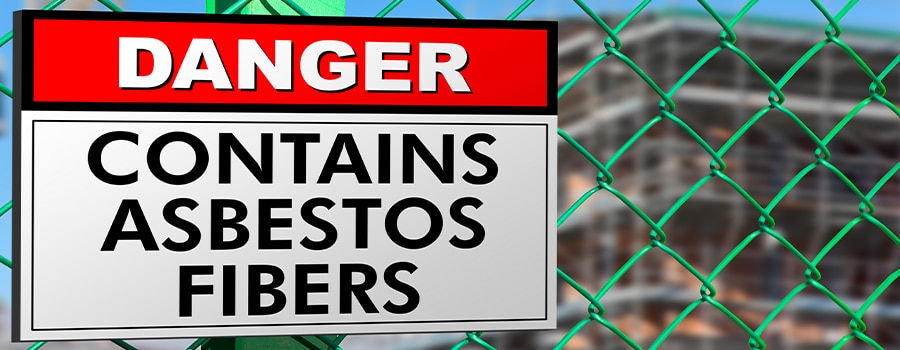
Understanding How Dust Particles Become Airborne
Disturbing old materials during renovations creates a direct path for microscopic asbestos fibres to escape. These particles break away when drywall, plaster, insulation, or tiles get cracked, drilled, or removed. Asbestos-containing materials do not release fibres unless damaged. Once broken, though, the release can happen quickly and silently.
Fibres don’t settle right away. Instead, they float for long periods, making them easy to inhale. Any movement of air, even from footsteps or opening a window, can stir them up again. That’s what makes renovation so risky when asbestos hasn’t been identified beforehand. Because these materials are often hidden behind walls or under flooring, the risk isn’t always obvious at first.
How Asbestos Fibres Move Through HVAC Systems
Heating and cooling systems play a major role in spreading airborne fibres from one room to another. Once asbestos becomes airborne, central ventilation systems draw particles in through returns and push them through ducts. This process carries fibres far from the original disturbance area and moves them into occupied parts of the building.
Most filters in standard residential systems don’t trap microscopic asbestos fibres effectively. So even after the dust enters ductwork, it stays in circulation. For instance, particles from ceiling insulation in an attic can end up in bedrooms or basements once the HVAC fan turns on. Sealing off ducts before renovation begins is an important safety measure, especially when working in older properties.
For anyone scheduling a large project, using an abatement & remediation company in Calgary ensures systems get isolated before demolition begins.
Foot Traffic and Worker Movement Across Floors
Every step taken inside a dusty work area has potential to move asbestos fibres to clean parts of the home. Shoes, clothing, gloves, and even toolboxes become transport points. Because the particles are so small, it only takes a tiny amount of dust to contaminate another space.
Let’s say someone cuts into a section of wall in one room, then walks to another area for tools without changing gear. Fibres cling to boots and clothing. When they move, even slightly, particles become airborne again in the new room. This is why strict containment zones, dedicated footwear, and sealed entryways matter so much in proper abatement work.
Plastic sheeting, decontamination zones, and airlocks help create a clear line between clean and active areas. Without these steps, the chance of cross-contamination grows each day the renovation continues.
The Role of Air Currents and Drafts
Open windows, fans, and pressure shifts all influence how fibres move inside a space. Asbestos doesn’t fall to the floor quickly. Instead, it stays light enough to drift with the airflow. Renovations often disrupt natural air patterns. That change alone can redirect how dust spreads through a structure.
For example, opening a basement window while working upstairs can draw particles downward, especially if the door between floors remains open. Similarly, a running bathroom fan can pull air from nearby hallways, dragging particles along. Most people don’t notice these patterns until after contamination has already spread.
Maintaining negative air pressure inside the renovation zone is a standard technique used by experienced abatement & remediation company in Calgary. This setup keeps fibres contained and prevents uncontrolled drift.
Dust Settling in Hidden Places and Re-Aerosolization
Even after fibres settle on surfaces, they don’t stay harmless. Simple activities like sweeping, moving boxes, or wiping down counters can send them airborne again. Settled asbestos can stay dangerous for weeks unless the area is cleaned using specific methods and equipment.
Unlike ordinary dust, asbestos particles often wedge into soft furnishings, air vents, baseboards, and cracks in flooring. Over time, vibrations from walking or shutting doors can shake them loose. That’s why standard cleaning tools, such as vacuums and dusters, aren’t safe to use in contaminated zones.
HEPA-filtered vacuums and wet wiping procedures are the only safe ways to remove these particles. Without them, any effort to clean could simply relocate the hazard. Deep cleaning after removal work is one of the last steps handled by a certified abatement & remediation company in Calgary.
Asbestos Exposure Risks for Occupants and Pets
Particles that settle on furniture, bedding, or rugs become a long-term exposure risk. Children and pets are especially vulnerable because they spend more time near the ground and often touch or play with items directly. Renovating one room without proper containment can easily affect living spaces two floors away.
It’s easy to think that shutting a door or using a towel under the frame will stop dust. Unfortunately, asbestos particles are small enough to pass through many common seals. Even light drafts or slight air pressure differences between rooms can move fibres through gaps in walls, floors, or vents.
We’ve seen cases where dust from a second-floor ceiling removal was later found in first-floor kitchen cabinets. That’s why complete isolation and air management matter—not just surface cleaning.
Why Professional Containment Outperforms DIY Efforts
Many homeowners try to protect other rooms with tape and plastic. While that might seem helpful at first, it often fails under real renovation conditions. Tape loosens, sheeting tears, and pressure from tools or ladders weakens barriers. Once that happens, fibres begin to escape.
A trained team handles isolation differently. They build double-layer containment with zipper doors, pressurize spaces to control air direction, and monitor air quality while the work happens. Every detail—from how materials exit the building to how workers remove suits—is handled with safety in mind.
When scheduling work that may involve asbestos, it’s worth starting with a review from a certified abatement & remediation company in Calgary. Identifying risks early makes it easier to contain them.
Making a Safe Plan Before Work Begins
Planning helps reduce surprises. If there’s any chance asbestos is present, inspection should happen before a contractor opens walls or ceilings. Even if plans only call for light demolition, that first cut into an old ceiling tile or wallboard can change everything.
Safe work plans include air monitoring, HVAC isolation, access control, and protective gear. Each of these steps serves a role in preventing fibre migration. Without a plan, it becomes difficult to control what leaves the space during or after the job.
We often advise homeowners to walk through the layout with someone who understands how buildings flow. Understanding which rooms share ventilation or how pressure changes throughout the day is key. That conversation often starts with a quick call to an abatement & remediation company in Calgary.
FAQ
How long can asbestos fibres stay in the air after renovation work?
They can remain airborne for hours and settle slowly. Without proper cleaning and air filtration, they may re-circulate repeatedly.
Can asbestos dust travel between floors in a house?
Yes, especially if shared ductwork or open pathways exist. Air pressure changes between levels can carry particles far from the original site.
What if I already did some demolition and found asbestos later?
Stop the work immediately and seal the area. Contact a professional to assess the exposure and create a safe cleanup plan.
Is it safe to stay in the home during asbestos removal?
Only if full containment is used and no fibres migrate into occupied areas. Professionals often recommend temporary relocation during major abatement.
Can I clean asbestos dust with a regular vacuum or broom?
No. These methods can spread the fibres further. Only HEPA-rated vacuums and approved wet-cleaning techniques should be used.