
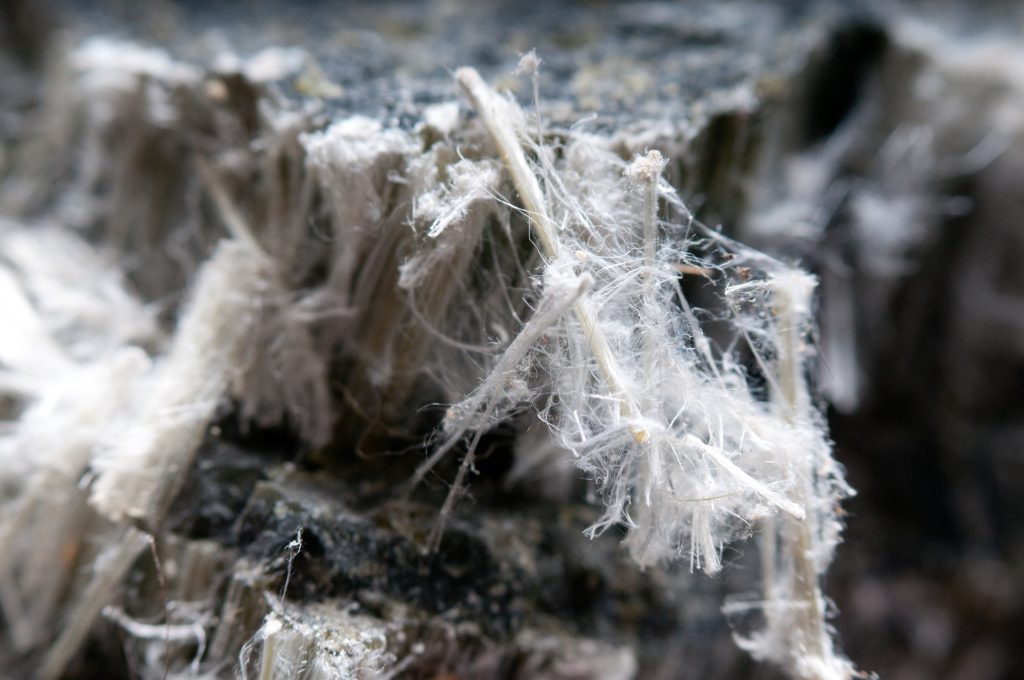
Older homes hold a lot of charm. However, many of them also hold a hidden danger that most owners never think about until it is too late. If your home was built before 1990, asbestos may still be present in the building materials — and you might not even know it.
Why Older Homes Are a Concern
Asbestos was a widely used construction material throughout much of the 20th century. Builders valued it for its heat resistance and durability. Consequently, it ended up in insulation, floor tiles, ceiling textures, drywall compounds, pipe wrap, and even roofing materials. Specifically, homes built between the 1950s and late 1980s carry the highest risk.
The biggest misconception homeowners hold is that asbestos is only dangerous if it looks damaged. In reality, materials that appear perfectly intact can still release fibers when disturbed. For example, cutting into drywall, sanding floors, or pulling up old tiles can all release dangerous particles into the air. That is why Envirotech always recommends an inspection before any renovation project begins.
Common Places Asbestos Hides
Most homeowners focus on insulation — and yes, that is a major source. However, asbestos also hides in places people rarely check. Textured “popcorn” ceilings from the 1970s and 1980s frequently contain it. Furthermore, floor tiles, especially 9×9 inch vinyl squares, often contain asbestos in both the tile and the adhesive underneath.
Pipe insulation in basements and utility rooms is another high-risk area. Additionally, vermiculite attic insulation — a grey, pebble-like material — has a strong association with asbestos contamination. If you find any of these materials in your home, do not disturb them. Instead, call asbestos abatement professionals to assess the situation safely.
The Warning Signs You Should Watch For
You cannot see or smell asbestos fibers. Therefore, you need to look for circumstantial clues instead. First, check the age and style of your home. Second, look for materials that match known asbestos-containing products from that era. Third, pay attention to any renovation history. Previous owners who cut into walls or removed tiles may have already disturbed asbestos without knowing it.
Moreover, watch for crumbling or damaged insulation around pipes. Friable materials — those that crumble easily — release fibers far more readily. Specifically, damaged insulation near your furnace or hot water tank deserves immediate attention. Envirotech recommends professional asbestos testing as the only reliable way to confirm whether asbestos is present.
What Happens During a Professional Inspection
Many homeowners assume an inspection is expensive and disruptive. In fact, a professional assessment is straightforward and relatively quick. A certified inspector visits your property and collects small samples from suspected materials. Subsequently, a certified laboratory analyzes those samples and delivers results.
Envirotech conducts thorough site assessments across Calgary and surrounding areas. Therefore, you get accurate answers fast. The inspection also identifies the condition of any asbestos found — whether it poses an immediate risk or simply needs monitoring. Furthermore, you receive a clear action plan so you know exactly what steps to take next.
Why DIY Testing Kits Are Not Enough
Hardware stores sell asbestos test kits. However, these kits have significant limitations. They only test specific spots, not the full scope of a property. Additionally, collecting samples incorrectly can actually release fibers and create a health hazard. Professional testing follows strict protocols to keep your family safe throughout the process.
It is also worth noting that other hazards often appear alongside asbestos in older homes. For instance, properties renovated or damaged by water may develop mold growth inside walls where asbestos materials also exist. Dealing with one hazard often reveals another, which is why a full professional assessment makes practical sense.
The Connection Between Home Hazards
Asbestos rarely exists in isolation in older properties. Many homes from the same era also contain lead paint on walls, trim, and window frames. Consequently, a renovation that disturbs one hazard can expose you to several at once. Envirotech takes a whole-home approach to hazardous material assessment so nothing slips through the cracks.
Similarly, past water damage events can speed up the deterioration of asbestos-containing materials. If your home has experienced flooding or pipe leaks, those areas deserve extra scrutiny. Professional water and flood restoration teams document damage thoroughly, and that documentation helps asbestos inspectors understand which materials may have experienced accelerated breakdown.
Act Before You Renovate, Not After
The single most important piece of advice Envirotech gives homeowners is simple: test before you demolish. Renovation season brings a surge of calls from people who disturbed asbestos unknowingly. That scenario creates health risks, remediation costs, and project delays that a simple pre-renovation inspection would have prevented entirely. Specifically, any project involving drywall removal, floor replacement, ceiling work, or pipe insulation should trigger an asbestos inspection first.
Envirotech brings over 25 years of combined experience to every assessment. Moreover, the team holds all required certifications and licenses for safe asbestos work in Alberta. So if your home falls into the pre-1990 category, do not wait for a problem to appear. Schedule a professional inspection and get the clarity your family deserves.
Frequently Asked Questions
Q: Does every home built before 1990 contain asbestos? Not necessarily every home, but the risk is significant enough that Envirotech recommends an inspection for any property built before 1990. Many common building materials from that era contained asbestos as a standard ingredient.
Q: Can I live in my home during an asbestos inspection? Yes, in most cases. A professional inspection does not disturb materials in a way that releases fibers. However, if abatement work is required, the affected area needs proper containment before work begins.
Q: How much does asbestos testing in Calgary cost? Costs vary depending on the size of the property and the number of samples required. Envirotech provides clear quotes upfront so you know what to expect before any work starts.
Q: Is asbestos in a popcorn ceiling dangerous if it is undamaged? Intact asbestos-containing materials generally pose a lower immediate risk. However, any ceiling that you plan to scrape, sand, or paint needs professional testing first. Disturbing it without knowing what is inside creates a serious health hazard.
Q: What should I do if I accidentally disturb a material I suspect contains asbestos? Stop work immediately. Leave the area and keep others out. Do not vacuum or sweep the area. Contact a certified asbestos professional like Envirotech right away for guidance on next steps.