
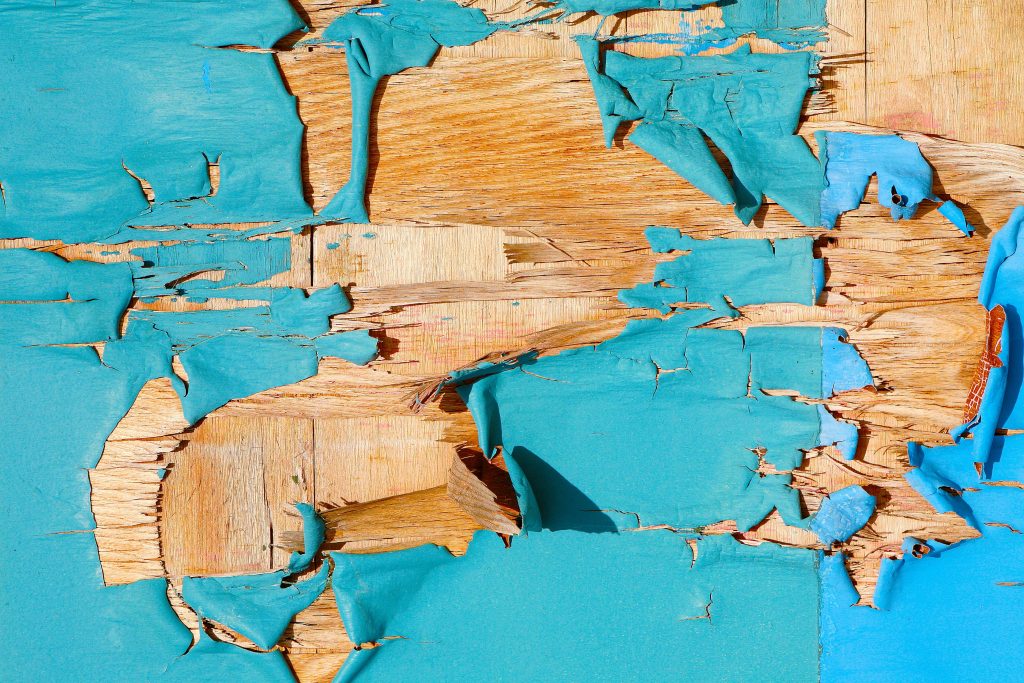
Renovation projects are exciting. However, in older Calgary homes, the excitement can quickly turn into a serious health concern if homeowners skip one critical step. Lead paint is still present in hundreds of thousands of homes across Canada, and many owners have no idea it is there.
Why Lead Paint Is Still a Widespread Problem
Lead was a standard ingredient in residential paint until Canada restricted its use in the late 1970s. Consequently, any home built before 1980 may contain lead paint on walls, trim, doors, window frames, and even staircases. In some cases, layers of newer paint simply cover the old lead-based coat. That coverage provides temporary containment — but not permanent safety. The moment you sand, scrape, or drill into those surfaces, you release lead dust. Envirotech offers professional lead paint abatement services that remove this hazard safely and completely.
The Risks Most Homeowners Underestimate
Many people associate lead poisoning with children eating paint chips. However, airborne lead dust from renovation work poses a far more immediate threat to everyone in the home, including adults. Specifically, lead dust settles on surfaces throughout the property. Furthermore, it does not disappear on its own — standard cleaning does not eliminate it effectively.
Adults exposed to lead dust can experience elevated blood pressure, kidney damage, and neurological effects. For children under six, the consequences are even more severe. Lead affects brain development and can cause permanent cognitive impairment. Therefore, protecting your family during a renovation means knowing what is on your walls before you touch them.
The Renovation Triggers That Create the Biggest Risk
Not all renovation work carries equal risk. However, several common projects consistently create the highest lead dust exposure. Sanding painted surfaces for refinishing tops the list. Additionally, removing old doors or window frames, cutting drywall in older homes, and demolishing painted plaster walls all release significant amounts of lead dust.
Summer is a popular renovation season in Alberta. Homeowners open windows and start projects. However, open windows do not protect against lead dust — they simply spread it further. Envirotech recommends getting a professional assessment before any surface preparation begins. Moreover, the same older homes that contain lead paint often also contain asbestos-containing materials, meaning two hazards can exist in the same space.
How Professional Abatement Actually Works
Some homeowners assume lead paint removal means stripping every painted surface in the house. In reality, that is rarely necessary. A professional assessment first identifies where lead paint exists and evaluates its current condition. Subsequently, the team determines whether encapsulation or full removal is the right approach.
Encapsulation covers intact lead paint with a special sealant or new coating. This approach works well when the paint is in good condition and the surface does not experience heavy use. Removal, on the other hand, addresses paint that is already deteriorating or sits on surfaces that will undergo renovation. Envirotech follows Alberta WorkSafe regulations throughout every project to keep workers, families, and neighbours safe.
Testing: The Step Most Homeowners Skip
Here is where most renovation disasters begin. Homeowners assume that because their home “looks fine,” there is no hazard. However, lead paint hides under layers of newer paint and looks completely normal. The only way to confirm its presence is through testing.
Professional asbestos testing and lead paint testing often happen together during a pre-renovation hazmat assessment. This combined approach saves time and money compared to scheduling separate inspections. Envirotech routinely identifies multiple hazards in a single site visit, giving homeowners a complete picture before work begins.
What Happens to Your Home After Lead Paint Removal
After abatement, the affected areas require thorough cleaning using HEPA-filter vacuums and specialized wet-wipe techniques. Standard vacuums spread lead dust rather than capture it. Furthermore, all contaminated materials — including disposable coveralls, plastic sheeting, and collected dust — must go to licensed hazardous waste facilities.
In some cases, the surfaces beneath old paint show signs of moisture damage. Water that penetrated over decades can create conditions where mold has taken hold behind painted drywall or plaster. Envirotech checks for these secondary hazards during every abatement project so nothing goes undetected.
Connecting the Dots: Water Damage and Lead Paint
This connection matters more than most homeowners realize. Lead paint on window frames and basement walls often deteriorates faster in areas with recurring moisture. Condensation, rain infiltration, and flooding all accelerate paint breakdown. Therefore, properties that have experienced water events need extra scrutiny before renovation.
Envirotech’s water and flood restoration team documents all areas of moisture damage, and that documentation directly informs the lead paint and asbestos assessment. This integrated approach prevents dangerous surprises mid-project. Specifically, Calgary homeowners who have had sump pump failures or finished basement flooding should prioritize a full hazmat inspection before starting any renovation work.
Make Safety Part of Your Renovation Plan
The cost of professional lead paint abatement is far lower than the cost of remediation after an unsafe DIY removal. Moreover, lead contamination spread through a home during renovation can require extensive decontamination of every surface, furniture item, and HVAC duct. That scenario turns a straightforward renovation into a major remediation project.
Envirotech works with Calgary homeowners at every stage — from pre-renovation testing to full abatement and post-clearance air quality verification. The team brings certified expertise and the right equipment to every job. So before you pick up that sander or start demolition, call Envirotech and find out exactly what you are dealing with.
Frequently Asked Questions
Q: How do I know if my home has lead paint without calling a professional? You cannot determine this reliably without testing. Visual inspection alone does not reveal lead paint, especially when newer paint covers it. A certified professional uses XRF analyzers or lab-tested paint chip samples for accurate results.
Q: Is lead paint dangerous if it is not peeling or chipped? Intact lead paint poses a lower immediate risk. However, any renovation activity that sands, cuts, or impacts that surface immediately creates dangerous airborne lead dust, regardless of the paint’s current condition.
Q: Can I renovate a room with lead paint if I wear a mask? A standard dust mask does not filter lead particles effectively. Professional abatement requires respirators rated for lead exposure, full protective clothing, containment barriers, and negative air pressure equipment.
Q: Will my insurance cover lead paint removal? Most standard home insurance policies do not cover lead paint abatement as a routine maintenance issue. However, some policies cover it when lead exposure results from a covered event like a flood or fire. Envirotech can help you document the situation for your insurer.
Q: How long does lead paint abatement take? Project timelines depend on the size of the affected area and the method used. A single room typically takes one to two days. Envirotech provides a detailed timeline and scope of work before any project begins.