
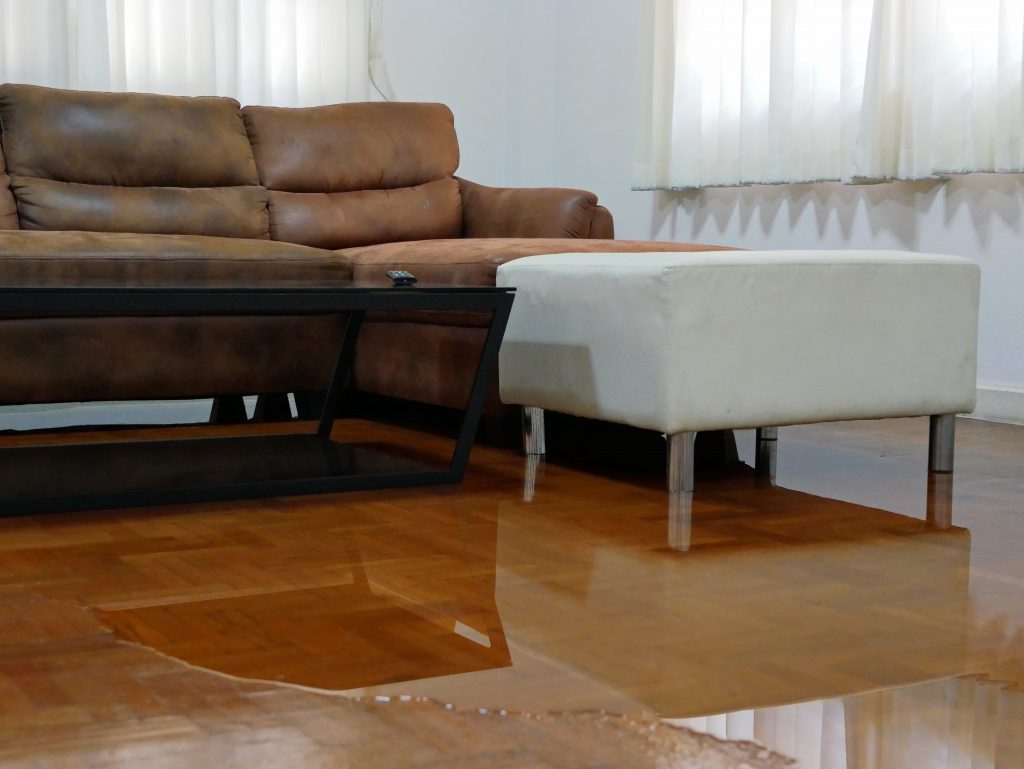
When people search for restoration services Calgary, they often picture fans and dehumidifiers running for a few days. However, real restoration is a step by step process that protects the building, the air quality, and the items inside the space. At Envirotech Abatement & Remediation, the goal is to return a home or business to a safe, clean, and usable condition without leaving hidden damage behind.
Restoration services Calgary starts with a real assessment
Restoration begins before any equipment is set up. Therefore, the first job is to identify what happened, where the damage traveled, and what materials are affected. Water can move under floors and behind walls, and smoke can spread through attics and HVAC pathways. A proper assessment checks moisture levels, material condition, and visible and hidden contamination so the plan matches the real situation.
The scope is not only what you can see
A wet carpet is obvious, but moisture inside a baseboard or behind drywall can keep causing issues. Consequently, technicians use meters and targeted inspection steps to confirm the full boundary of damage. This is the part that prevents the “it looked fine, then it got worse” problem later.
What restoration includes after water damage
Water damage restoration is not only drying a room. In other words, it is water control, removal, drying, monitoring, and rebuild planning done in the right order. If you are dealing with flooding, leaks, or burst pipes, start with a clear process like water restoration in Calgary so the structure is stabilized before cosmetic repairs begin.
Water extraction and moisture control
Firstly, standing water is removed safely and quickly. After that, the drying strategy is set based on material types, room layout, and how far moisture traveled. Equipment placement matters because uneven drying can warp floors and damage finishes, so airflow and humidity control must work together.
Sanitizing and preventing secondary damage
Water loss can bring bacteria, odors, and residue. Therefore, surfaces are cleaned and treated when needed, and materials that cannot be properly restored are removed. This step protects indoor air and reduces the chance of lingering smells or future microbial growth.
What restoration includes after fire and smoke damage
Fire restoration is often more about smoke than flames. Most importantly, smoke particles can settle into porous materials and keep releasing odor, and soot can stain or corrode surfaces over time. A focused plan like fire damage restoration in Calgary addresses debris handling, cleaning methods, odor control, and safe re entry steps.
Soot removal and content cleaning
Different materials require different cleaning approaches. For example, dry soot on painted drywall is handled differently than oily soot on plastics or metal. Content cleaning can include careful sorting, salvage decisions, and item specific treatments so valuable belongings have the best chance of recovery.
Odor control that actually lasts
Masking sprays do not solve smoke odor. Instead, restoration uses cleaning plus targeted deodorization methods that match the source and the materials affected. The goal is to remove the odor source, not cover it, so the space feels normal again.
What restoration includes after hail and wind damage
Wind driven rain and hail impacts can create damage that is easy to miss at first. Consequently, restoration work must look at roof openings, siding gaps, window seals, and attic moisture pathways. A service path such as hail and wind damage restoration in Calgary focuses on preventing ongoing water entry and protecting structural components before finishing work starts.
Emergency stabilization and temporary protection
If a building envelope is compromised, immediate stabilization matters. Therefore, tarping, board up, and water diversion steps may be used to stop further intrusion. This reduces total repair scope and helps keep the inside areas from deteriorating while repairs are organized.
The rebuild side of restoration
Restoration is not complete when the space is dry and clean. After that, the rebuild stage returns the home to normal use with repaired drywall, flooring, trim, and finishes. Planning rebuild work also includes material matching, sequencing trades properly, and documenting what was done so there are no loose ends.
Documentation and clear communication
A strong restoration project includes notes, photos, and measurements. That is to say, documentation supports decision making and helps keep the scope aligned with what the property needs. It also keeps homeowners and property managers informed so the process feels controlled instead of chaotic.
Choosing a restoration team that covers the full scope
Many homeowners choose restoration services Calgary because the process covers assessment, mitigation, and repairs in one coordinated plan. However, the best outcomes come from teams that handle assessment, mitigation, cleaning, and coordination through to completion. If you want to see how the full process is organized, review restoration services in Calgary and compare it to what a basic “dry out only” approach usually leaves behind.
A practical way to evaluate the plan
Ask what areas will be tested, what materials may be removed, how drying will be monitored, and what the next steps are after mitigation. Moreover, confirm how odor control, sanitizing, and rebuild planning are handled. Envirotech Abatement & Remediation keeps the process structured so each stage supports the next stage, and the property is restored with fewer surprises.
To learn more about the team and service approach, visit Envirotech Abatement & Remediation and explore the restoration resources available.
FAQs
What is the difference between cleanup and restoration?
Cleanup removes visible mess. However, restoration includes assessment, drying or smoke treatment, cleaning, monitoring, and repair planning so the space becomes safe and fully usable again.
Does restoration always include demolition?
Not always. Therefore, demolition happens only when materials cannot be safely dried, cleaned, or restored, or when removal is required to access hidden damage and prevent future issues.
How do you know if damage is hidden behind walls or floors?
Technicians use moisture meters, targeted inspection steps, and visual checks. Consequently, they map affected areas instead of guessing, which helps prevent missed moisture and recurring damage.
Can smoke odor come back after fire restoration?
Yes, if the odor source remains in porous materials. In other words, lasting results require proper cleaning and targeted deodorization methods, not only fragrance or surface wiping.
When should repairs start after mitigation?
Repairs start after the structure is stable and readings show drying goals are met. After that, rebuild work can move forward without trapping moisture or leaving contamination behind.