
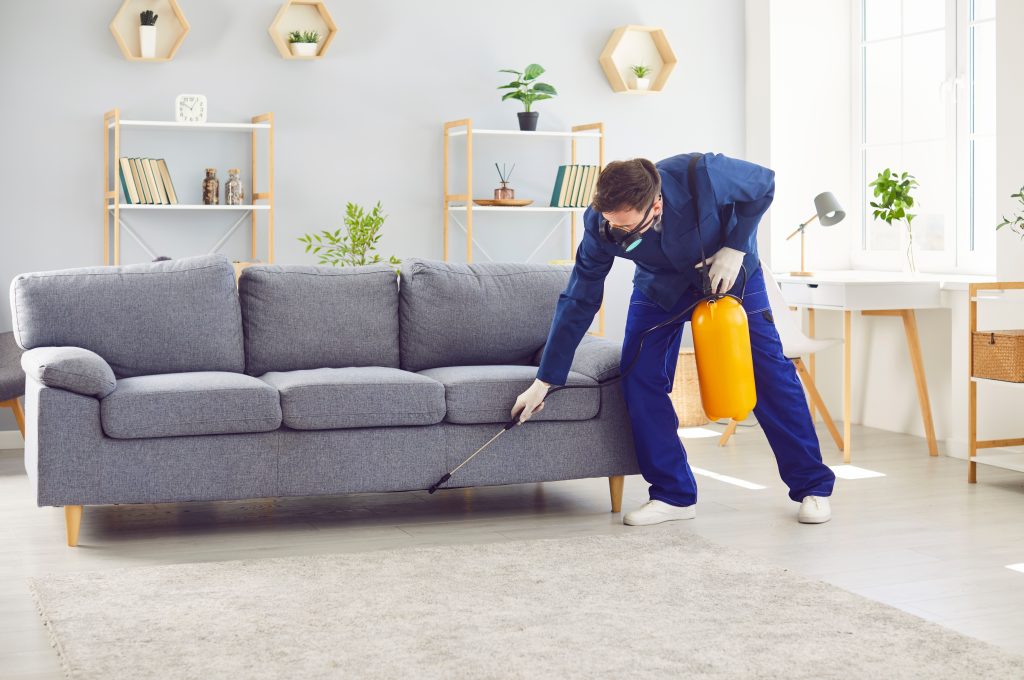
Smoke odor removal is frustrating when the smell seems to come back no matter how much cleaning happens. Therefore, the problem is rarely the air alone. Smoke particles are tiny, sticky, and oily, so they travel deep into materials and keep releasing odor over time. When a home or business in Calgary still smells smoky days or weeks later, it usually means the source is still present somewhere out of sight.
Envirotech Abatement & Remediation often sees this after small kitchen flare ups, fireplace backdrafts, garage smoke, or nearby wildfire haze. Consequently, people clean the obvious surfaces and still feel like the odor is following them room to room. The key is to understand where smoke residue hides, what makes it reactivate, and what steps actually break the cycle.
Why smoke smell sticks around so long
Smoke is not just “a smell.” In other words, it is a mix of soot, tar, and gases that cling to surfaces and absorb into porous items. Drywall paper, insulation, wood framing, carpets, fabrics, and even dust inside ductwork can hold residue. After that, normal temperature changes, humidity, and airflow make those particles release again.
Even when the fire was small, the smoke can spread widely. For example, a pot that burned on the stove can push odor into hallways, closets, and bedrooms through the HVAC return. If windows were opened during cleanup, the odor can also settle in window coverings and soft furniture as air moved through the space.
Porous materials act like a sponge
Soft materials are the biggest reason odor persists. That is to say, smoke penetrates fibers and keeps off gassing until the residue is removed or the material is replaced. Upholstery, area rugs, mattresses, and clothing in open closets can be affected quickly. Above all, insulation is a common hidden culprit because it holds odor and is difficult to clean effectively.
The hidden places smoke residue collects
Odor usually has more than one source. Therefore, cleaning only the walls and floors can leave behind major reservoirs that keep feeding the smell.
HVAC systems and ductwork
If the furnace fan ran during or after the event, smoke can spread through the return air path. Consequently, residue can settle on duct interiors, filters, coils, and even inside the blower compartment. A new filter helps, but it does not remove what already landed inside the system.
Attics, wall cavities, and insulation
Smoke can rise and drift into upper levels and attic spaces. For instance, gaps around light fixtures, vents, and plumbing chases can allow odor into cavities where it lingers. If insulation took on residue, replacement is often the only reliable fix.
Soot in micro cracks and textured surfaces
Textured ceilings, unfinished wood, and grout lines collect soot in tiny spaces. Meanwhile, standard household cleaners may smear residue rather than lift it. When humidity increases, those hidden deposits can start smelling stronger again.
Why the odor “comes back” after cleaning
Many people notice the smell returns after a few good days. Therefore, it helps to know what triggers reactivation.
Firstly, heat re releases odor. Warm sunlight on a couch or a closed room can intensify off gassing. Secondly, moisture makes residue more noticeable, especially during Calgary’s seasonal swings, spring melt, or basement dampness. Moreover, air movement can push odor from hidden cavities back into living areas, which makes it feel like the smell moves around the building.
If smoke odor is tied to a broader loss event, the right restoration approach matters. For example, moisture left behind from suppression or cleanup may require professional drying through water restoration in Calgary before odor control can truly hold.
Smoke odor removal steps that actually work
Smoke odor removal works best as a process, not a single product. Therefore, the goal is to remove residue first and neutralize what remains second.
Step 1: Identify and remove the source materials
A proper inspection checks porous materials, HVAC pathways, and hidden cavities. After that, items that cannot be cleaned to a stable result are removed. This can include damaged insulation, heavily contaminated carpets, or charred cabinetry interiors.
Step 2: Detailed cleaning with the right chemistry
Soot needs specific cleaners that cut oily residue without spreading it. In other words, the cleaner choice and technique matter as much as effort. Hard surfaces are washed, ceilings are addressed, and contents are handled based on fabric type and contamination level.
Step 3: Controlled deodorization
Only after cleaning should deodorization happen. Therefore, tools like thermal fogging, hydroxyl treatment, or ozone (used safely and appropriately) can target remaining odor molecules. The right method depends on the building layout, the contamination level, and occupancy needs.
When the odor is part of a bigger recovery plan, restoration services in Calgary can align cleaning, drying, and rebuilding in one coordinated scope so nothing gets missed.
When to call Envirotech Abatement & Remediation
If smoke smell remains after basic cleaning, it is usually time for a professional assessment. Therefore, watch for signs like odor that spikes with humidity, lingering smell in closets, smoky HVAC airflow, or recurring odor after “air freshening.” Envirotech Abatement & Remediation provides a structured approach that focuses on sources, not masking.
If smoke odor followed storm damage, wet materials can trap residue and feed odor. For instance, wet drywall and insulation after severe weather may need hail and wind damage restoration before the smell can fully resolve. If the odor is tied to a confirmed fire event, fire damage restoration in Calgary addresses soot, debris, and odor in a complete sequence.
For ongoing guidance and service access, Envirotech Abatement & Remediation shares restoration support for Calgary property owners dealing with complex indoor contamination.
FAQs
Why does smoke odor get stronger at night or in warm rooms?
Heat increases off gassing from smoke residue in fabrics, drywall, and insulation. Therefore, closed rooms and warmer evening temperatures can make hidden contamination smell stronger even after daytime cleaning.
Can air purifiers remove smoke odor permanently?
Air purifiers can reduce airborne particles and improve comfort. However, they cannot remove residue embedded in materials, so odor often returns unless the source is cleaned or removed.
Will painting the walls solve the problem?
Paint can help only after proper soot cleaning and sealing steps. In other words, painting over residue often locks in odor or causes staining to bleed through later.
How long does professional smoke odor removal take?
Timelines depend on the size of the area, material types, and contamination level. Consequently, a small localized incident can be faster, while whole home residue and HVAC impact can take longer.
What should be avoided when trying to remove smoke smell?
Avoid strong fragrances that only mask odor, and avoid wet wiping soot without the right cleaner. Therefore, improper cleaning can spread residue and make smoke odor harder to remove.