
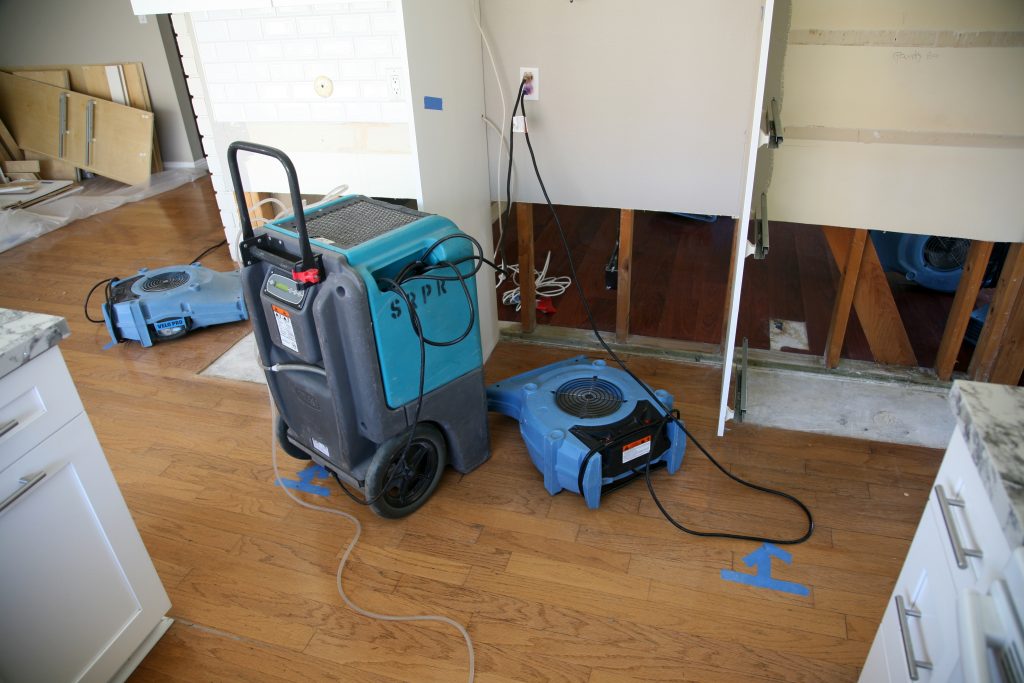
A flooded home feels overwhelming. Water spreads fast. Damage compounds by the hour. However, the decisions you make in the first 24 hours determine how much of your home you can save and how much you ultimately spend on repairs. Envirotech responds to flooding events across Calgary and surrounding Alberta communities, and this guide covers exactly what those first hours should look like.
The First Thing You Do: Stop the Source
Before anything else, cut off the water source if possible. If a burst pipe caused the flooding, shut off the main water supply immediately. If the flood originated from a sump pump failure or a sewer backup, call a plumber while simultaneously reaching out to a restoration team.
Do not enter standing water if you have any doubt about electrical safety. Turn off the power to the affected areas at your electrical panel before stepping in. Furthermore, floodwater — especially from sewer backups — contains bacteria and pathogens. Avoid skin contact and wear protective gear if you must enter the space. Envirotech’s water and flood restoration team arrives with the proper safety equipment and takes on the hazardous work for you.
Document Everything Before You Touch Anything
Specifically, photograph and video every affected area before you move a single item. Walk through every room. Open every closet. Check under sinks and behind appliances. Your insurance claim depends heavily on this documentation. Therefore, the more thorough your evidence, the stronger your claim.
List damaged items, note the water level on the walls, and capture any visible structural damage. Additionally, note the time the flooding started and the source if you know it. Envirotech documents all of this during the professional assessment as well, but your own record-keeping from the first moments adds important context for the insurer.
Why the Clock Matters for Mold
Mold can begin colonizing wet materials within 24 to 48 hours. Consequently, every hour of delay increases the risk that a water damage event becomes a mold remediation project. Flooded drywall, insulation, carpet, and subfloor create perfect conditions for rapid mold growth. Moreover, mold spores already present in the air attach to wet surfaces and begin growing almost immediately.
This timeline is not meant to frighten you — it is meant to motivate fast action. Professional water extraction and drying equipment removes moisture far more quickly than fans and open windows. Additionally, industrial dehumidifiers pull residual moisture from wall cavities and structural materials that you cannot reach with household tools. Acting fast reduces the chances you will need full-scale mold removal after the water dries.
What Professionals Do in the First Response
When Envirotech’s team arrives at a flooded property, the process moves in a deliberate sequence. First, technicians conduct a safety assessment of the structure and electrical systems. Second, they extract standing water using truck-mounted extraction units that remove hundreds of gallons per hour.
Third, the team sets up drying equipment — air movers and commercial dehumidifiers — strategically placed to maximize airflow through every affected area. Fourth, moisture readings from walls, floors, and ceilings establish a drying baseline. Subsequently, the team monitors readings daily and adjusts equipment placement until every surface reaches safe moisture levels. This systematic approach prevents the hidden moisture pockets that cause mold problems weeks later.
What to Salvage and What to Let Go
Not everything in a flooded home needs to go. However, some materials cannot be saved and should come out as quickly as possible. Specifically, saturated drywall below the waterline typically needs removal regardless of how quickly drying begins. Similarly, wet insulation loses its effectiveness immediately and traps moisture even after the surrounding space dries.
Carpet and padding usually cannot be saved after full saturation. Hardwood flooring sometimes survives if extraction and drying begin within hours. Solid wood furniture can often dry successfully. However, particleboard furniture swells and deteriorates quickly and rarely recovers from flood exposure. Envirotech’s technicians assess each material individually and give you clear guidance on what to keep and what to remove.
The Hidden Hazard in Flood-Damaged Older Homes
Flooding in a home built before 1990 introduces an additional complication. When water saturates older building materials, it can disturb materials that contain asbestos. Specifically, wet drywall compounds, floor tile adhesives, and pipe insulation may release fibers when waterlogged and then disturbed during cleanup.
Envirotech checks for hazardous materials before any demolition work begins in older properties. This check protects both the homeowners and the technicians. If testing reveals contaminated materials, the team incorporates proper asbestos abatement protocols into the restoration project so every step stays safe and compliant.
Lead Paint and Flood Damage
Floodwater that saturates painted surfaces in older homes can cause lead-containing paint to soften, peel, and leach into the water. Furthermore, the cleanup process — scrubbing, sanding, or removing damaged painted surfaces — can release lead dust if homeowners attempt this work without professional support.
Envirotech incorporates lead paint abatement protocols when the situation calls for them. Identifying this risk early keeps the restoration project on safe ground. Therefore, homeowners in older Calgary properties should always request a hazardous materials check as part of any flood restoration assessment.
Working Alongside Your Insurance Claim
Understanding what your insurer needs speeds up the process significantly. Most policies cover sudden, accidental water damage but exclude flooding from overland water or sewer backup unless you carry specific riders. Therefore, review your policy details while Envirotech handles the immediate response.
Your restoration company and your insurance adjuster need to work together. Envirotech provides detailed moisture readings, photo documentation, scope of work, and material inventories that align with what adjusters require. Furthermore, professional asbestos testing reports and other hazmat documentation support supplemental claims for hazardous material removal when those services are necessary. Having all documentation organized from day one prevents delays in your claim settlement.
After the Water Is Gone: What Comes Next
Once structural drying reaches target levels, the reconstruction phase begins. Envirotech coordinates the full scope — from new drywall and insulation installation to flooring replacement and painting. However, reconstruction only begins after clearance testing confirms that moisture and any identified hazards are fully addressed.
Moreover, Envirotech reviews the source of the flooding with every client to reduce the risk of a repeat event. A sump pump upgrade, a backwater valve installation, or improved exterior grading can significantly reduce your flood vulnerability. Acting on those recommendations after restoration gives you a genuinely stronger home, not just a repaired one.
Frequently Asked Questions
Q: How quickly can water damage become permanent? Structural damage from water begins within hours. Mold can start within 24 to 48 hours. Warping, swelling, and staining in porous materials begin quickly as well. Speed matters more than almost any other factor in a flood response.
Q: Can I use my regular household fans to dry a flooded room? Household fans move air but lack the power to dry wall cavities, subfloors, and structural materials. Professional air movers and dehumidifiers operate at a completely different scale. Using only household fans often results in incomplete drying and subsequent mold growth.
Q: Does flooding always lead to mold? Not always — but the risk is high without fast professional drying. Properties that receive professional water extraction and drying within the first several hours have a significantly lower rate of subsequent mold growth.
Q: Should I throw away everything that got wet? Not necessarily. A professional assessment determines what can be saved and what needs to go. Throwing away salvageable items wastes money, while keeping unsalvageable material extends drying time and increases mold risk.
Q: Will my home smell after water damage restoration? Properly executed restoration eliminates the conditions that cause odour. Incomplete drying, leftover organic material, and unaddressed mold are the primary sources of post-flood odour. Envirotech addresses all three as part of the standard restoration process.