
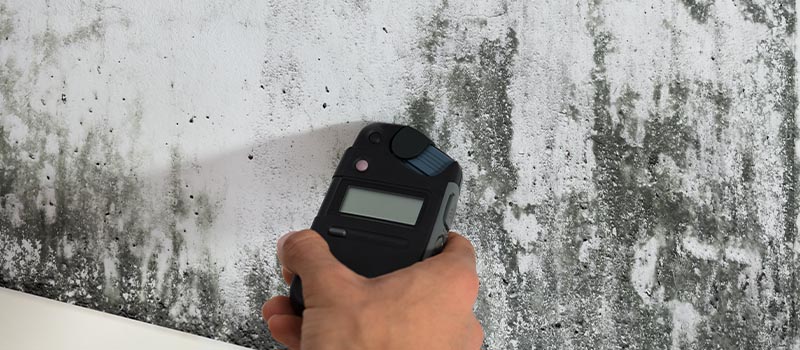
Living in Alberta often gives people a false sense of security when it comes to mold. With our dry air, frequent Chinooks, and relatively low humidity, many assume that mold cannot develop or survive here. Unfortunately, that belief can lead to serious indoor air quality issues, hidden property damage, and health concerns. The truth is that mold does not need much moisture to grow, and the conditions inside homes can differ dramatically from the climate outside.
Understanding how and why mold develops in Alberta homes helps prevent damage before it spreads.
How Mold Thrives Even in a Dry Climate
Outdoor dryness does not automatically protect the inside of a home. Mold needs organic material and consistent moisture, but not necessarily high humidity. Everyday household activities like cooking, showering, and laundry generate moisture. When this moisture remains trapped indoors, it creates a microclimate that mold can easily exploit.
Poor ventilation makes the problem worse. In tightly sealed homes built for energy efficiency, air circulation is limited. That trapped moisture can condense on cool surfaces such as windows, walls, and basement floors. Once mold spores find a damp spot, they grow quietly behind walls, under flooring, or around insulation where air rarely reaches.
Common Sources of Hidden Moisture in Alberta Homes
Many Alberta homeowners only think about moisture when there is a flood or plumbing leak. Yet, most mold growth begins with far smaller sources. A slow drip from a pipe joint, condensation from an uninsulated vent, or minor seepage in a basement wall may go unnoticed for months. During that time, mold can spread across drywall, wood framing, or carpet padding.
Seasonal temperature swings also create opportunities for condensation. During cold winters, warm indoor air meets cold surfaces, allowing water to collect inside wall cavities. In summer, humid air entering through poorly sealed windows or vents may condense when it cools. Both situations can lead to hidden mold growth even when the rest of the house feels dry.
Why Basements and Attics Are High-Risk Areas
Basements and attics are particularly vulnerable to mold growth because of temperature differences and poor ventilation. Basements often retain more moisture due to their contact with the ground, while attics may trap warm, moist air that rises from the living space. When either area lacks proper air circulation, condensation builds up.
Attics with insufficient insulation or blocked vents often show mold growth on roof sheathing. In basements, cracks in concrete or unsealed window wells allow groundwater to seep in during thaw or heavy rain. Even small amounts of moisture that dry slowly can provide the perfect environment for mold to take hold.
Indoor Air Quality and Health Impacts
Mold affects more than just surfaces. Once active, it releases spores and volatile organic compounds into the air. These particles can trigger allergies, aggravate asthma, and cause respiratory irritation, particularly in children or older adults. Because mold can hide behind walls or under flooring, people may experience symptoms without realizing their indoor environment is the cause.
Odors are often the first sign that something is wrong. A persistent musty smell, especially in basements or bathrooms, almost always indicates microbial growth. Cleaning visible patches may remove the surface evidence but not the root cause. Proper assessment and treatment are necessary to restore safe air quality and prevent recontamination.
The Role of Proper Inspection and Testing
Visual checks alone rarely reveal the full picture. Mold often spreads through areas that cannot be seen, such as inside HVAC systems, wall cavities, or under flooring. Professional inspection and testing can help identify the extent and source of contamination. Air sampling, thermal imaging, and moisture meters are common tools used to detect hidden growth before it becomes a larger issue.
For property owners managing older buildings or previously flooded areas, scheduling regular environmental assessments can help maintain safe conditions. These services often include both abatement & remediation in Calgary for active contamination and preventive strategies for long-term protection.
Preventing Mold Growth Through Moisture Control
The key to mold prevention is moisture management. Even in Alberta’s dry climate, controlling humidity indoors requires daily attention. Running bathroom and kitchen fans during and after use, venting dryers to the exterior, and opening windows periodically all help reduce trapped moisture.
Homeowners should also monitor humidity levels with a hygrometer, aiming for a range between 30 and 50 percent. During winter, using a dehumidifier in basements can prevent condensation. Regularly checking plumbing joints, sump pumps, and window seals helps catch small leaks early before they create mold-friendly conditions.
Construction Materials and Building Design
Modern construction materials can sometimes contribute to mold risk. Vinyl wallpaper, tight vapor barriers, and foam insulation all limit air circulation. While these materials improve energy efficiency, they also trap moisture when leaks occur. Choosing breathable materials in certain areas, such as moisture-resistant drywall or open-cell insulation, can help reduce long-term mold risk.
Older buildings present their own challenges. Cracked foundations, aging plumbing, and uninsulated walls often allow moisture to seep in unnoticed. Periodic inspections are especially important in heritage or mid-century homes where design standards did not prioritize moisture control.
The Importance of Professional Remediation
Once mold contamination is confirmed, removing it correctly is critical. Simply scrubbing affected areas or painting over stains does not solve the problem. Disturbing mold without proper containment spreads spores to other areas of the property.
Professional remediation follows a structured process that includes isolation, filtration, removal, and verification. This ensures contaminated materials are safely disposed of and that air quality is restored before reoccupation. Alberta regulations also require specific safety standards for mold and asbestos handling, emphasizing the need for certified professionals rather than DIY methods.
Weather Changes and Seasonal Challenges
Calgary’s shifting weather patterns often influence indoor moisture levels. Rapid temperature changes during Chinooks can cause condensation on cold surfaces. Similarly, extended rainy periods or melting snow introduce ground moisture that seeps into basements or crawl spaces. Understanding these seasonal risks helps homeowners prepare in advance.
Installing backflow valves, improving grading around the foundation, and ensuring proper roof drainage all reduce the risk of moisture entering the home. Seasonal maintenance of gutters, sump pumps, and vent systems further minimizes potential mold sources.
How Occupant Behavior Affects Mold Risk
Everyday habits strongly influence how moisture behaves indoors. Hanging wet laundry inside, leaving bathroom doors closed after a shower, or blocking air vents with furniture all prevent moisture from escaping. Even running humidifiers too frequently in winter can create enough dampness for mold to form near windows or walls.
We can significantly reduce these risks through small changes. Using exhaust fans for at least 15 minutes after bathing, keeping furniture a few inches away from walls, and maintaining clear airflow around heating vents all support natural drying. Awareness and consistent action are the best long-term protection against mold in Alberta homes.
When to Seek Professional Help
If a musty smell persists, visible mold returns after cleaning, or moisture keeps appearing in the same spot, it is time for professional help. Certified technicians can identify structural or environmental factors that simple cleaning cannot fix. They can also recommend safe removal methods that prevent spores from spreading through the air system.
For property managers or homeowners dealing with repeated moisture problems, scheduling an environmental inspection provides both clarity and peace of mind. To speak with a professional about prevention, testing, or removal, you can contact us for direct support and detailed recommendations based on your property’s condition.
FAQ
Why does mold appear even when the air feels dry?
Dry air outside does not mean low humidity inside. Cooking, showers, and poor ventilation create localized moisture pockets where mold can grow even in otherwise dry environments.
Can cold weather make mold worse?
Yes. When warm indoor air meets cold surfaces like windows or walls, condensation forms. That moisture becomes a breeding ground for mold during winter months.
Is mold dangerous if it is only a small patch?
Even small patches can release spores into the air. Cleaning visible mold without addressing the source allows it to return and potentially spread to other areas.
What is the best way to prevent mold in basements?
Keep humidity below 50 percent, use a dehumidifier during wet months, seal foundation cracks, and ensure proper drainage away from the house. Regular inspections help identify new leaks early.
How often should a home be checked for mold?
It depends on age, location, and previous issues. For most Alberta homes, an annual inspection is a good routine, especially after any water leak or major weather event.