
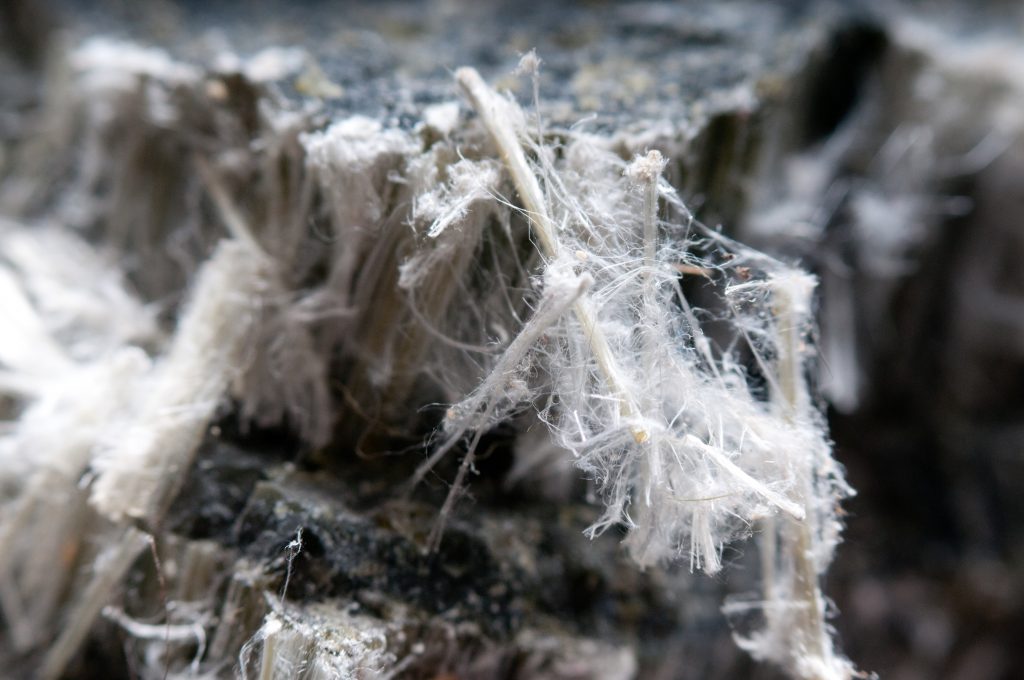
Envirotech – Abatement & Remediation often recommends asbestos encapsulation when material is intact, stable, and out of reach of daily wear. Encapsulation seals the fibres in place with a specialized coating or barrier instead of tearing the material out. It works well in the right conditions and fails badly in the wrong ones. This guide helps you judge when sealing makes sense, how it is done, and how to keep an eye on it afterward.
What Asbestos Encapsulation Means in Practice
Encapsulation locks fibres inside the material so they cannot escape into the air. A crew applies a penetrating sealant or a bridging coating that forms a tough skin over the surface. In some cases, the crew builds a physical enclosure around the material instead.
The method suits material that is in good condition. Intact pipe wrap, sound floor tiles, and undamaged textured ceilings are common candidates. Crumbling, water-stained, or flaking material is not.
Think of asbestos encapsulation as managing a hazard rather than ending it. The asbestos stays in your building, so you take on a duty to keep it undisturbed. Many owners accept that trade-off when removal would cause major disruption.
Signs That Asbestos Encapsulation Is a Good Fit
Several conditions point toward sealing rather than removal. The material should be firm, with no cracks, powdering, or loose edges. It should sit where people rarely touch it, such as above a finished ceiling or inside a sealed chase.
You should also have no renovation planned in that area. Drilling, sanding, or demolition will break any seal. If a kitchen remodel or wall opening is on your list, removal usually makes more sense.
| Condition | Encapsulation suitable? | Why |
|---|---|---|
| Intact, firm material in low-traffic area | Usually yes | Little chance of disturbance |
| Flaking or crumbling surface | Usually no | Coating cannot bond to loose fibres |
| Water-damaged material | Usually no | Moisture weakens the bond and the material |
| Area slated for renovation | No | Work will break the seal |
| Heavily handled surface | Rarely | Wear erodes the coating |
A professional assessment settles borderline cases. Surveyors look at the material, the substrate, and how you use the space.
How the Encapsulation Process Works
The process starts with sampling. A lab must confirm that the material contains asbestos before anyone plans a method. Our asbestos testing service in Calgary handles that first step.
Next, the crew sets up containment. They seal the work area with plastic sheeting and run negative air machines so that no fibres drift into the rest of the home. Workers wear respirators and protective suits throughout.
Then comes surface preparation. The crew removes loose dust with HEPA vacuums and damp wipes. They never sand or scrape. After the surface dries, they spray or roll on the sealant in even coats, following the manufacturer’s directions for coverage and drying time.
Finally, the crew inspects the finished coating for gaps and thin spots. They label the material so future trades know it is there.
Encapsulation Versus Removal
Neither method is better in every case, and a survey should drive the choice. Each trades one set of risks for another, and the right answer depends on your building.
Removal ends the hazard but creates short-term disturbance. Containment and air controls manage that risk well, yet the project takes more time and more preparation. Encapsulation leaves the material in place, which keeps the work short but adds long-term obligations.
Our article on the difference between asbestos encapsulation and full removal compares the two options in more detail. If you want the removal side of the picture, see our asbestos abatement page.
Here is a quick comparison of the main trade-offs:
- Encapsulation keeps the work area small and the schedule short.
- Removal gives a permanent answer and simplifies future sales.
- Encapsulation requires ongoing monitoring and disclosure.
- Removal requires strict containment and clearance sampling.
Monitoring Sealed Asbestos Over Time
A sealed surface needs regular attention. Check it at least once or twice a year, and after any leak, flood, or nearby construction. Look for cracks, peeling, bubbling, stains, or dents.
Keep a simple log. Record the date, the location, and what you saw. Take a photo each time. A log helps you spot slow changes and shows buyers or inspectors that you manage the material responsibly.
Tell every contractor who works in the building where the sealed material sits. Plumbers, electricians, and painters often disturb materials by accident. A short warning prevents that.
If you notice damage, do not touch it. Keep people away from the area and call a professional to reassess. Small repairs may restore the seal, but damaged material often needs removal.
Common Problems With Sealed Asbestos Materials
Several failures show up again and again. Water is the worst enemy. A roof leak or burst pipe can soften the substrate and lift the coating within weeks.
Another problem is incompatible coatings. A paint that does not bond to the old surface will peel and expose what lies beneath. Professional sealants are formulated for the job.
Finally, owners sometimes forget the material exists. A later renovation then cuts through the seal. Labels, logs, and written disclosures reduce that risk.
Planning for Future Work Near Sealed Material
Sealed asbestos does not stay a quiet problem forever. Roofs get replaced, plumbing ages, and kitchens get remodelled. Each project near sealed material is a chance to disturb it.
Before any trade starts, share your records and walk the site together. Mark protected areas with tape and signs. If the project cannot avoid the material, schedule a professional removal first, then let the other trades proceed.
This habit saves time and stress. It also keeps workers, family members, and neighbours safe from avoidable exposure.
A few practical habits make the difference. Store spare sealant labels and product sheets with your records. Photograph the surface after each inspection, using the same angle every time. Compare photos side by side to catch small changes early.
If you manage a rental or commercial property, share the log with staff who handle maintenance. Clear communication prevents accidental damage and shows you take your duty seriously.
Rules and Records to Keep
Alberta publishes occupational health and safety requirements that affect how contractors handle asbestos. You can review the province’s general guidance on the Alberta occupational health and safety site. Your contractor should follow the rules that apply to your project and explain them in plain language.
Keep the lab report, the work description, and any inspection logs in one folder. If you sell the property, those documents show that you handled the material with care.
Frequently Asked Questions
Does encapsulation make asbestos disappear?
No. The material stays in the building, and the coating only holds the fibres in place. You must keep the surface intact and monitor it over time. Removal is the only way to end the hazard completely.
How long does a sealant last?
Lifespan varies with the product, the surface, and the conditions. Indoor, low-traffic surfaces tend to hold longer than damp or heavily handled ones. Regular inspections tell you when the coating needs attention.
Can I paint over asbestos myself?
We advise against it. Ordinary paint does not bond like a professional sealant, and brushing or rolling can disturb loose fibres. Hire a trained crew that uses proper containment and protective equipment.
What happens if I renovate later?
Sealed material that sits in the renovation zone usually needs removal first. Tell your contractor early so they can plan the sequence. Surveys before the project prevent surprises.
Contact Envirotech – Abatement & Remediation
Not sure whether your material can stay in place? Call (403) 608-2747 or visit us at 5545 1A Street SW, Calgary, AB T2H 0E6. We are open Monday – Saturday, 8 a.m. – 6 p.m. You can also reach us through our contact page. We give an honest quote after assessing your property.