
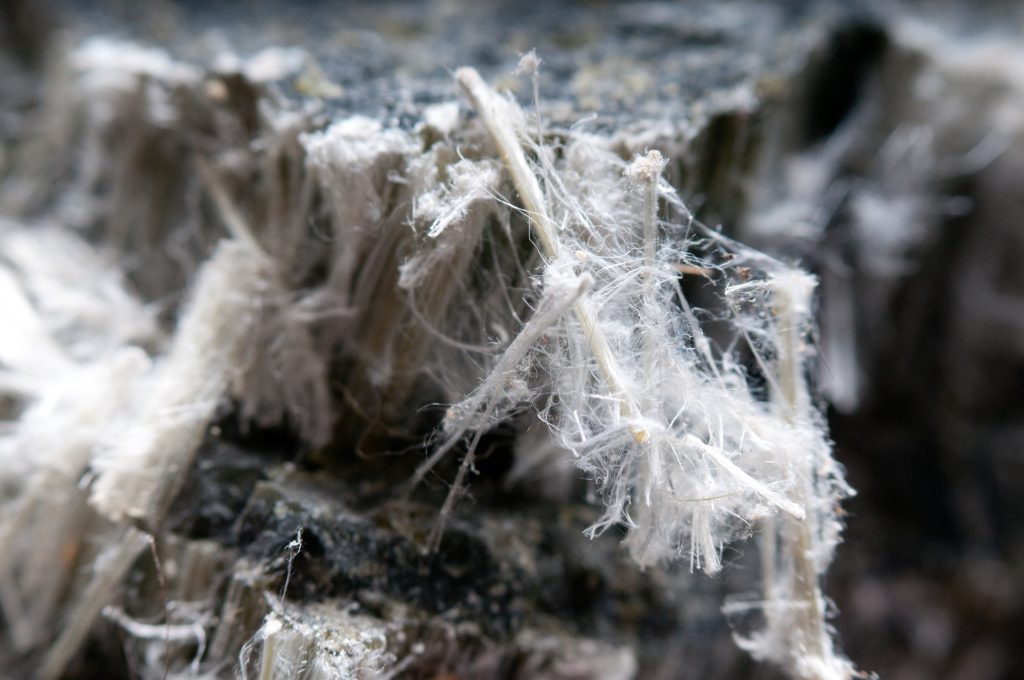
Envirotech Abatement & Remediation leads every asbestos remediation project with the same structured, documented process. This holds true whether the job involves a single basement ceiling or a full commercial mechanical room. Calgary’s older housing stock, along with pre-1990 commercial buildings, means asbestos is still a common discovery during renovations, real estate inspections, and fire or water damage repairs. Understanding how a proper asbestos remediation project unfolds helps property owners know what to expect. It also helps them ask the right questions and confirm the work was done safely. This guide breaks the process into clear stages, from initial testing through final clearance.
What Asbestos Remediation Actually Means
Remediation is a broader term than simple removal. It can involve full material removal, encapsulation that seals fibers in place, or containment that isolates a damaged area until permanent work is scheduled. The right approach depends on the material’s condition, its location, and whether the space needs renovation or simply needs to be made safe.
A qualified asbestos remediation contractor evaluates all three options rather than defaulting to the most disruptive one. In many cases, encapsulation is a reasonable interim step for undamaged material that does not need to be disturbed by an upcoming renovation.
Stage One: Testing and Site Assessment
Every asbestos remediation project starts with sample collection from suspect materials, such as insulation, ceiling texture, or flooring adhesive. Samples go to an accredited lab, and results typically return within a few business days. This step confirms whether asbestos is present, and if so, which type and at what concentration.
The assessment also documents the condition of the material. Friable asbestos crumbles easily and releases fibers with minimal disturbance, so it requires more aggressive containment than stable, intact material. Our asbestos abatement services in Calgary page outlines how this initial evaluation fits into the broader project timeline.
Stage Two: Containment Setup
Before any material is touched, the crew builds physical barriers using polyethylene sheeting and seals HVAC returns. Negative-air machines then keep the work zone under lower pressure than surrounding areas. This pressure differential prevents fibers from escaping into hallways, adjoining rooms, or shared building systems.
Workers enter and exit through a decontamination chamber. They change protective equipment and wash down before leaving the containment zone. This protocol matters as much for the safety of nearby occupants as it does for the crew performing the work.
Comparing Remediation Approaches
| Approach | Best Used When | What It Involves |
|---|---|---|
| Full removal | Renovation planned, or material is damaged | Complete extraction and disposal of asbestos-containing material |
| Encapsulation | Material is intact and undisturbed | Sealing coating applied to lock fibers in place |
| Containment | Temporary measure before permanent work | Physical barriers isolating the area from occupied space |
| Enclosure | Material can’t be reached without major demolition | Airtight structure built around the material |
Stage Three: Removal or Encapsulation
Once containment is in place, the crew proceeds with wet removal methods that keep fibers from becoming airborne. Alternatively, they apply an encapsulating sealant if that is the chosen approach. All removed material is double-bagged in labeled, leak-tight containers and staged for transport to a licensed hazardous waste facility. Our article on encapsulation versus full removal explains how we help clients weigh these two paths.
Crews document each step with photographs and material logs, and this record becomes part of the project file. Property owners planning to sell or refinance often need this documentation for lender or buyer requests. Keeping it organized from day one saves time later.
Handling Mechanical Rooms and Shared Systems
Mechanical rooms present unique challenges, since pipe insulation and ductwork often run throughout a building. A remediation crew working in these spaces coordinates closely with building management. This isolates ductwork runs and confirms no fibers migrate through shared ventilation during the project. Multi-tenant buildings need extra scheduling care so occupied units stay unaffected while work proceeds nearby.
Stage Four: Air Clearance Testing
After removal or encapsulation is complete, an independent air quality technician collects samples. These samples confirm fiber counts have returned to acceptable levels before anyone re-occupies the space. This clearance test is not optional in a properly run project, and the results should be provided in writing. Our page on why clearance air testing matters covers what the testing process involves and why skipping it is a serious risk.
Clearance testing typically involves several air samples collected from different points in the work zone after containment barriers come down. Results get compared against established fiber-count thresholds. The space is not cleared for re-occupancy until every sample passes.
When Containment Is the Right Call
Not every situation calls for immediate full removal. If a renovation is not yet planned and the material is stable, a documented containment plan can be the responsible choice. Our guide on choosing containment over immediate removal walks through how that decision gets made. Reassessing contained material on a regular schedule keeps the plan current as building conditions change.
What to Ask Before Your Asbestos Remediation Begins
Before hiring a crew, property owners should confirm several details in writing. A few worth asking about include:
- Proof of worker certification and training records
- A written containment and disposal plan specific to the site
- Confirmation of third-party air clearance testing after the work
- References from similar projects completed in Calgary or nearby communities
Regulatory bodies such as the EPA publish general technical guidance on asbestos handling. Reputable contractors reference this guidance when developing site-specific safety plans. A contractor who cannot answer these questions clearly is worth reconsidering before you sign a contract.
Planning Ahead for Renovation Projects
Homeowners planning a kitchen, basement, or bathroom renovation in an older Calgary property benefit from scheduling testing weeks before demolition crews arrive. Building this step into the early planning stage avoids a paused project once material is already exposed. A short conversation with a licensed contractor early on can save considerable scheduling headaches later.
Frequently Asked Questions
What’s the difference between removal and encapsulation?
Removal physically extracts the asbestos-containing material from the building. Encapsulation instead seals it in place with a coating designed to prevent fiber release. The right choice depends on the material’s condition and any planned renovation work.
How do I know if remediation was done correctly?
A properly completed project includes documented air clearance testing showing fiber counts within acceptable limits. Ask for this report in writing before considering the space safe to re-occupy.
Does asbestos remediation disrupt the whole building?
Not necessarily. Containment barriers and negative-air systems isolate the work zone, so other areas of a building can often remain in normal use during the project.
Can encapsulated asbestos become a problem later?
Encapsulated material should be inspected periodically to confirm the seal remains intact. If the coating is damaged during future renovations, the material may need reassessment and potential removal.
Who handles the disposal of removed asbestos material?
Licensed remediation contractors transport double-bagged, labeled waste to an approved hazardous material disposal facility. They can provide documentation confirming proper disposal as well.
Contact Envirotech Abatement & Remediation
Our team plans and documents every asbestos remediation project from testing through final clearance. Call Envirotech Abatement & Remediation at (403) 608-2747 or visit 5545 1A Street SW, Calgary, AB T2H 0E6, Monday through Saturday from 8 a.m. to 6 p.m.