
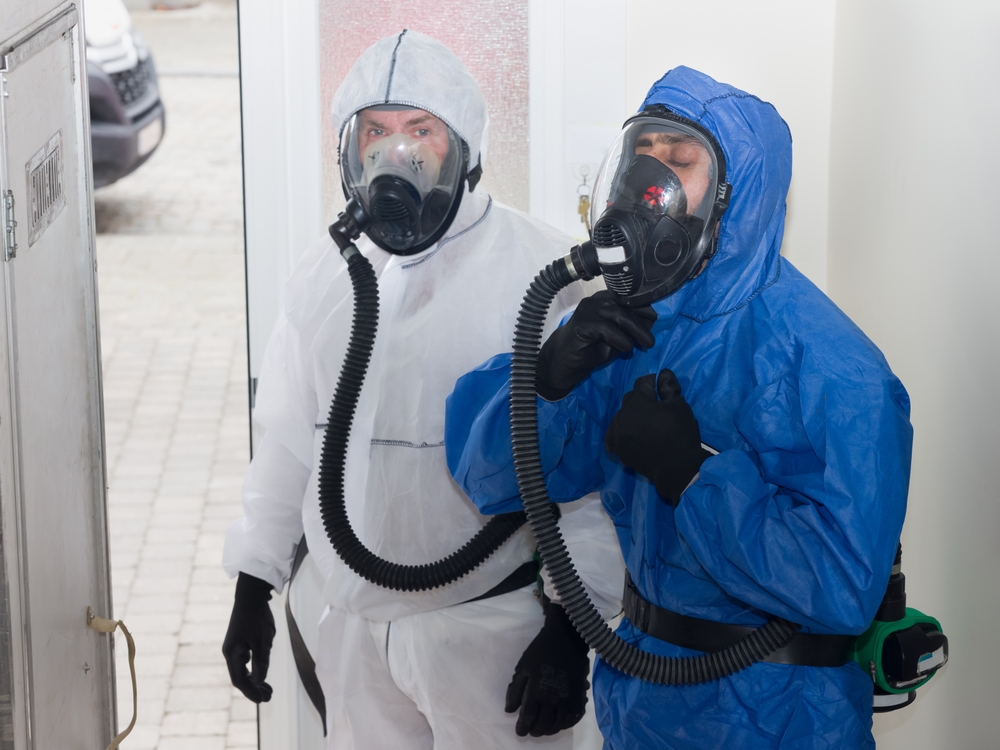
Envirotech Abatement & Remediation guides Calgary property owners through every stage of asbestos removal Calgary projects. The work starts with a phone call and ends with a final clearance test. Homes and commercial buildings built before the early 1990s often hide asbestos in vermiculite insulation, popcorn ceilings, vinyl flooring, and pipe wrap. This is true across Calgary, Airdrie, and Cochrane alike. Disturbing these materials without proper controls can release dangerous fibers into the air you breathe every day. This guide explains how professional asbestos removal Calgary services actually work. It also covers what provincial regulations require and the warning signs that mean it’s time to call a licensed abatement crew.
Why Asbestos Removal Calgary Projects Require Specialized Handling
Asbestos fibers are microscopic. Once disturbed, they can remain airborne for hours. Asbestos removal Calgary work is not a weekend DIY project, and a simple dust mask offers little real protection. Licensed contractors use negative-air containment, HEPA filtration, and sealed disposal protocols instead. These measures keep fibers from spreading into living spaces or neighboring units.
Alberta occupational health and safety rules classify asbestos work by risk level. Each level sets its own containment, respiratory protection, and worker training requirements. A qualified crew documents every step, from the pre-job survey through final air clearance. This paper trail matters if the material is ever questioned during a sale or insurance claim.
Where Older Calgary Homes Hide Asbestos
Many homeowners are surprised at how many building materials from the 1950s through the 1980s contain asbestos. Common hiding spots include:
- Vermiculite attic insulation, often gray-brown and pebble-like
- Textured "popcorn" ceilings applied before 1990
- Vinyl floor tiles and the black mastic adhesive underneath
- Pipe insulation and furnace ductwork wrap in older mechanical rooms
- Drywall joint compound and some exterior stucco finishes
If your property falls into this era, testing before demolition is the safest starting point. Our team walks through this process on our asbestos testing page, which explains how samples are collected and analyzed.
Common Asbestos-Containing Materials and How They’re Handled
| Material | Typical Location | Recommended Approach |
|---|---|---|
| Vermiculite insulation | Attics, wall cavities | Full containment removal or professional encapsulation |
| Popcorn ceiling texture | Ceilings in homes built pre-1990 | Wet removal with HEPA vacuum recovery |
| Vinyl floor tile & mastic | Basements, kitchens | Careful lift-and-bag removal, no dry sanding |
| Pipe/duct insulation | Mechanical rooms, crawlspaces | Glove-bag or full containment removal |
| Textured stucco/drywall mud | Interior and exterior walls | Sample testing before any sanding or demolition |
Signs You Need Professional Asbestos Removal
Homeowners often ask how to know if a renovation has crossed into asbestos territory. A few practical indicators include the building’s age, visible damage to insulation or flooring, and any planned demolition that will disturb ceilings, walls, or pipe wrap. If your property was built before 1990 and a remodel is on the calendar, book a pre-renovation survey early.
Renovation dust that lingers longer than expected is worth investigating. So is flooring adhesive that crumbles when lifted. Both are reasons to pause work and call a licensed inspector. Our article on what happens during a professional inspection walks through the sampling and lab process in detail.
The Removal Process Step by Step
Every project begins with a site assessment and sample collection, followed by a written scope of work. Once testing confirms asbestos-containing material, the crew sets up containment barriers, negative-air machines, and decontamination zones. None of that material is disturbed before this setup is complete. Removal itself uses wet methods to keep fibers from becoming airborne. All waste is then double-bagged and labeled for licensed disposal.
After removal, an independent air quality test confirms the space meets clearance standards. Only then can anyone re-occupy the area. This final step matters because it gives homeowners documented proof the space is safe again. You can review our full menu of remediation options on our services overview.
Working With Landlords and Property Managers
Multi-unit buildings add complexity. Disturbed material in one suite can migrate through shared ductwork or wall cavities into neighboring units. Property managers should schedule testing before any tenant turnover renovation and communicate containment plans to residents in advance. Our Calgary crew coordinates scheduling around occupied units whenever possible, which keeps disruption to a minimum.
Scheduling Your Asbestos Removal Calgary Assessment
Booking an asbestos removal Calgary assessment early in your planning avoids delays once demolition crews are on site. A technician visits the property and collects samples from suspect materials. Those samples go to an accredited lab for analysis. Turnaround is typically a few business days, giving homeowners time to plan the rest of a renovation schedule around the results.
If testing confirms asbestos, the team walks through containment options and provides a written scope of work before removal begins. No demolition or disturbance work starts until the property owner reviews and approves the plan. An honest, itemized quote always follows the assessment rather than preceding it. This sequence protects homeowners from surprises, since the scope always matches what the lab results actually show.
Preventing Cross-Contamination During the Project
Containment barriers only work if they are maintained throughout the job. Crews should seal HVAC returns and use negative-air machines to keep pressure inside the work zone lower than surrounding areas. Decontamination steps are required every time a worker exits containment. Homeowners can ask to see the containment setup before work begins, which confirms these measures are actually in place.
Pets and household members should stay out of the work zone entirely until clearance testing confirms the space is safe. Reputable crews explain exactly when it’s safe to resume normal use of the area, rather than leaving occupants to guess.
Choosing a Licensed Contractor
Not every contractor offering demolition services holds the training or certification for asbestos work. Ask for proof of worker certification, a written containment plan, and confirmation that waste disposal follows provincial hazardous material rules. Reputable companies also provide post-removal air clearance documentation, rather than simply declaring the job finished. Occupational safety agencies such as OSHA publish general guidance on safe handling practices that reputable Canadian contractors reference as well.
Frequently Asked Questions
Do all older Calgary homes have asbestos?
Not every home built before 1990 contains asbestos, but the likelihood increases significantly with age. Testing is the only reliable way to know for certain, rather than guessing based on the building’s age alone.
Can I stay in my home during asbestos removal?
It depends on the scope of work and which areas are affected. Small, contained projects may allow occupants to remain in unaffected parts of the home. Larger removals typically require temporary relocation until clearance testing is complete.
How long does a typical removal project take?
Timelines vary with the size and type of material involved. A single room removal might take one to two days. Whole-home projects involving attic insulation and multiple rooms can take a week or more.
Is it safe to remove asbestos myself?
Provincial regulations restrict certain asbestos work to trained and certified personnel. Even smaller jobs carry real health risks if fibers become airborne. Professional handling protects both your household and any future occupants of the property.
What happens to the asbestos waste after removal?
All asbestos waste is double-bagged, labeled, and transported to an approved hazardous material disposal facility. We provide documentation of proper disposal as part of a complete project record.
Contact Envirotech Abatement & Remediation
If you suspect asbestos in an older Calgary property, our licensed team can arrange testing and a clear, honest assessment before any work begins. Reach Envirotech Abatement & Remediation at (403) 608-2747 or visit us at 5545 1A Street SW, Calgary, AB T2H 0E6. Our hours are Monday through Saturday, 8 a.m. to 6 p.m.