
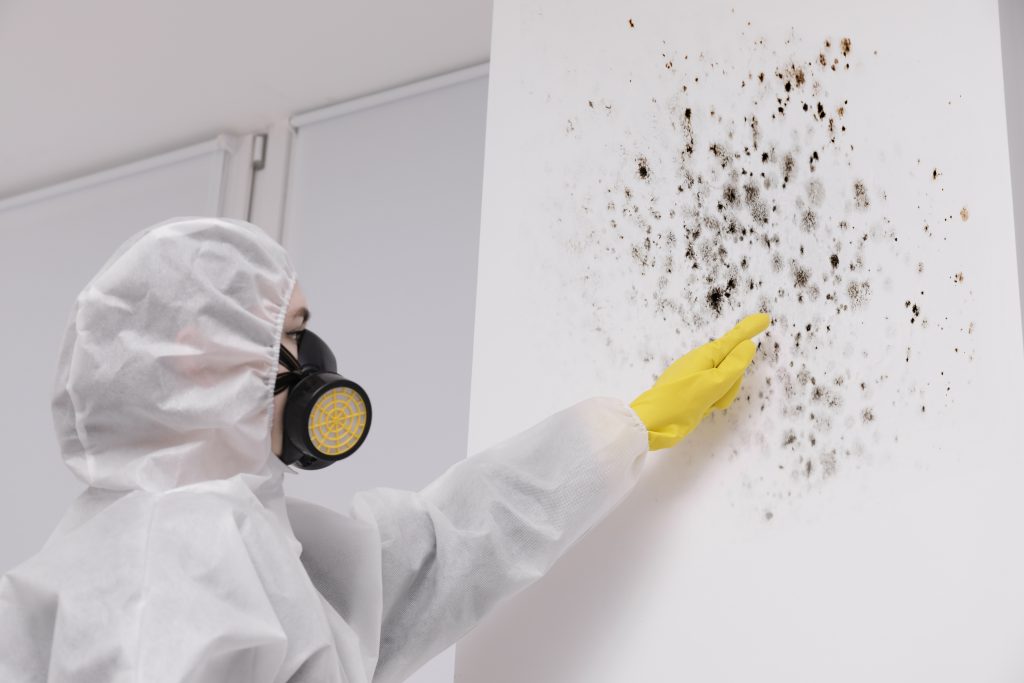
Summer heat creates perfect conditions for mold growth in homes. Envirotech observes significant mold problems emerging during hot months. Warm temperatures combine with humidity, creating mold’s ideal environment. Once established, mold spreads rapidly through your home. Therefore, addressing mold quickly prevents expensive damage.
Why Summer Accelerates Mold Growth
First, understand mold’s temperature preferences. Mold thrives between 68-86 degrees Fahrenheit. Summer temperatures typically fall within this range. Combined with Alberta’s humidity, these conditions accelerate growth dramatically. Mold colonies double in size every 24-48 hours under ideal conditions.
Furthermore, summer rain increases moisture availability. Basements and crawl spaces become damp during rainy periods. Poor drainage directs water toward foundations. This moisture creates perfect mold-growing conditions. Consequently, summer brings both heat and moisture—mold’s two essential requirements.
Hidden Moisture Sources During Summer
In addition, summer moisture appears from unexpected sources. Air conditioning condensation drips continuously into drain pans. If pans overflow or clog, water accumulates in walls and ceilings. Bathroom ventilation systems expel humid air. If vents terminate improperly, humidity remains indoors. Kitchen cooking creates steam that condenses on cool surfaces.
Envirotech finds mold growing in areas homeowners don’t suspect. Attic spaces collect condensation from air conditioning systems. Crawl spaces become saturated from groundwater seepage. Wall cavities trap moisture from bathroom ventilation. Professional inspection identifies these hidden moisture sources.
Mold Spreads Through HVAC Systems
Moreover, mold growth in HVAC systems spreads contamination throughout your home. Air conditioning systems dehumidify air in theory. However, if drainage systems malfunction, condensation accumulates inside ductwork. Mold colonizes these damp surfaces, spreading spores everywhere air flows. Therefore, summer air conditioning problems create building-wide contamination.
Visible Mold Indicates Larger Problems
Specifically, visible mold represents only a fraction of contamination. If you see mold, hidden growth likely exists elsewhere. Mold commonly grows inside walls where you cannot see it. Attic insulation harbors mold growth invisibly. Subfloor spaces become mold farms without visible evidence. Rapid mold removal services stop growth progression before invisible contamination spreads throughout structures.
Moisture Control Is Essential
Furthermore, moisture control prevents mold establishment by eliminating water availability. Proper drainage routes water away from foundations. Vapor barriers prevent groundwater moisture from entering crawl spaces. Dehumidifiers reduce indoor humidity levels. Ventilation systems exhaust moisture-laden air outside.
Envirotech addresses moisture sources directly. We identify where water enters your home. We recommend drainage improvements, sealing, and ventilation upgrades. These preventative measures stop mold growth before it starts.
Summer Odors Signal Mold Presence
Additionally, musty odors during summer indicate active mold growth. These odors result from mold’s metabolic byproducts. Strong odors suggest extensive colonization. Minor mold growth produces subtle odors. Any musty smell warrants professional investigation. Hazard identification protects your property by finding problems before they become disasters.
Professional Inspection Versus DIY Attempts
In addition, visual inspection misses most mold problems. Mold grows in inaccessible spaces your eyes never reach. Professional inspectors use moisture meters detecting water before mold appears. Thermal imaging cameras reveal hidden moisture accumulation. Air quality testing confirms mold spore presence. Comprehensive home inspection finds all dangers through systematic evaluation.
Structural Damage from Summer Mold Growth
Moreover, summer mold causes structural damage progression. Wood framing deteriorates as mold colonizes. Insulation becomes saturated, losing effectiveness. Drywall dissolves as cellulose fibers decay. Mold damage compounds rapidly during summer months. What seems minor in July becomes major by September.
Material Removal Prevents Moisture Problems
Furthermore, material removal eliminates moisture retention problems when materials harbor contamination. Damaged materials trap moisture despite remediation efforts. Complete removal with replacement stops recurring problems.
2026 Humidity Control Technology
This year, advanced dehumidification systems provide better moisture control. Smart systems monitor humidity levels continuously. Systems automatically activate when humidity exceeds safe thresholds. Integration with HVAC systems improves efficiency.
Prevention Saves Money
Finally, preventing summer mold growth costs far less than remediation. Drainage improvements cost $1,000-$3,000. Dehumidifier installation costs $500-$2,000. Professional mold remediation costs $5,000-$30,000. Therefore, preventative measures represent excellent investment.
FAQ
1) What humidity level encourages mold growth?
Mold grows actively when humidity exceeds 60%. Between 60-80% humidity, mold colonies expand rapidly. Above 80%, mold growth becomes uncontrollable. Envirotech recommends maintaining indoor humidity below 50%. Dehumidifiers help achieve this target during summer months.
2) Can I remove mold myself during summer?
DIY removal spreads spores throughout your home. Professional containment prevents this contamination. Envirotech uses negative pressure systems capturing spores. HEPA filtration prevents spore spread. Professional removal protects your health and your home.
3) Why does summer air conditioning cause mold?
Air conditioning creates condensation as it cools air. Condensation drips into drain pans designed to collect water. If drain pans overflow or clog, water accumulates inside ductwork. Mold colonizes these damp surfaces, spreading throughout your home.
4) How quickly does mold spread during hot weather?
Mold colonies double in size every 24-48 hours under ideal conditions. Summer temperatures and humidity create ideal conditions. Visible mold suggests weeks of undetected growth. Aggressive treatment prevents further spread. Early detection stops mold before major damage occurs.
5) What’s the first sign of summer mold problems?
Musty odors indicate active mold growth. Air quality changes suggest contamination. Visible discoloration on surfaces confirms mold presence. Professional inspection detects problems invisible to homeowners. Contact Envirotech immediately if you notice these warning signs.