
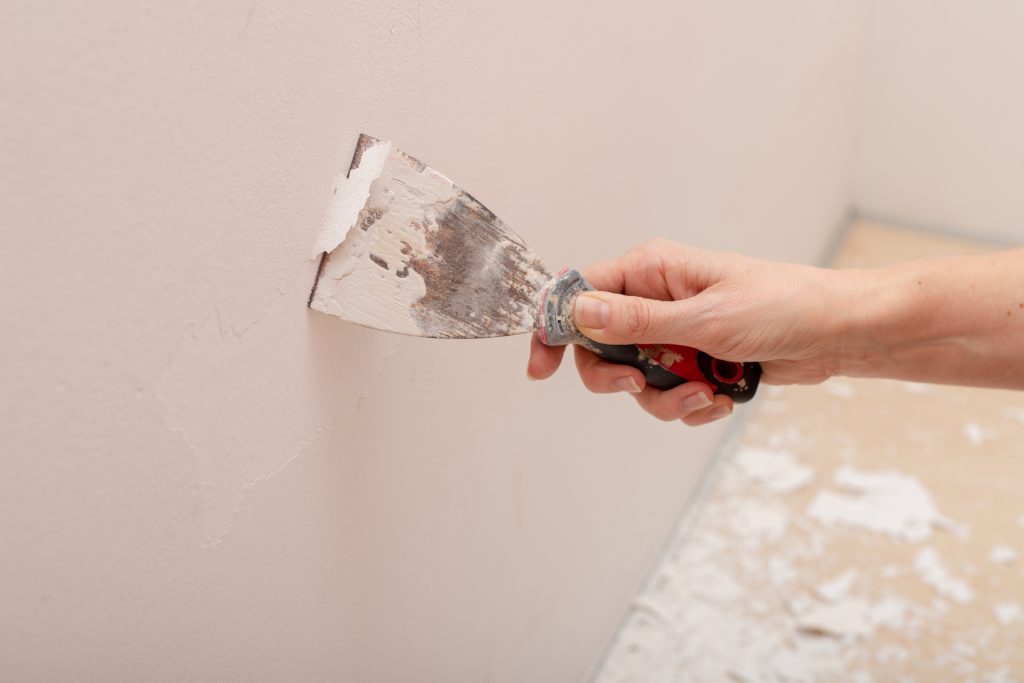
Safe lead paint removal from Envirotech – Abatement & Remediation protects Calgary families living in older homes from a hidden toxic hazard. Lead-based paint was common for decades before it was restricted. When it chips, peels, or is disturbed during renovations, it releases dangerous dust. Children and pregnant women face the greatest risk. Our trained team handles the entire process with containment, care, and proper disposal. This guide explains where the danger hides, how removal works, and the steps that keep your household safe.
Why Lead Paint Removal Still Matters Today
Many Calgary homes built before the 1980s may still contain lead-based paint. It can sit quietly under newer coats for years. The hazard appears the moment it is sanded, scraped, or chipped. Disturbed paint becomes fine dust that settles on floors and surfaces.
That dust is easy to inhale or ingest, especially for young children. Even small amounts of exposure add up over time. Addressing it properly removes the risk at its source. Peace of mind is a major benefit of safe handling.
Renovation projects are the most common trigger. A simple sanding job can fill the air with lead particles. That is why testing comes before any demolition. Knowing what is on the walls protects everyone inside. A short pause for testing can prevent a lasting hazard.
Where Lead Paint Commonly Hides
Knowing where to look helps you plan a safe renovation. Lead paint turns up in predictable places. These are the spots our team checks first.
- Window frames, sills, and sashes
- Door frames and trim
- Baseboards and stair railings
- Exterior siding and porches
- Older kitchen and bathroom surfaces
If your home predates the 1980s, assume these areas need testing. A quick check prevents a hazardous surprise mid-project. It is far easier to plan ahead than to react.
The Professional Lead Paint Removal Process
Careful lead paint removal follows strict safety steps. Each one limits the spread of toxic dust. Our certified team documents the work from start to finish. You stay protected the entire time.
We begin by testing surfaces to confirm the presence of lead. Then we seal the work area and set up containment. Next, we remove or treat the paint using controlled methods. Finally, we clean thoroughly and dispose of waste as hazardous material.
| Step | What we do | Why it matters |
|---|---|---|
| Testing | Confirm lead presence | Targets the real hazard |
| Containment | Seal and protect the area | Stops dust spread |
| Removal | Controlled stripping or treatment | Eliminates the source |
| Cleanup | HEPA cleaning and disposal | Leaves the home safe |
Encapsulation and Other Safe Options
Full stripping is not always the only path. In some cases, encapsulation seals the paint under a protective coating. The right choice depends on the surface and its condition. We recommend the safest method for your situation.
Whatever the approach, containment and cleanup remain essential. Our dedicated lead paint abatement page explains how we protect each home. For textured ceilings that may hide hazards, our popcorn ceiling removal follows the same careful standards.
Industry estimates note that homes built before 1960 carry the highest likelihood of lead-based paint. Later homes can still contain it in smaller amounts. Testing is the only way to know for certain.
Protecting Your Family During the Work
Your household’s safety drives every decision we make. Containment keeps dust from drifting into living spaces. We also plan the work to minimize disruption. Clear communication is part of the service.
- We seal off the work zone with barriers
- We use HEPA filtration to capture fine particles
- We clean surfaces thoroughly before reopening the area
- We dispose of all lead waste responsibly
Children are the most vulnerable to lead exposure. Their growing bodies absorb it more readily than adults do. That is why we hold work zones to a strict standard. You can also explore the services we provide for a full picture of our safety approach.
The Risks of Ignoring the Problem
Lead does not break down or fade away on its own. Left in place and disturbed, it keeps shedding dust. That dust settles into carpets, floors, and soil around the home. Over time, the exposure risk only grows.
The effects of lead are especially serious for children. It can affect development, focus, and overall health. Pregnant women also face heightened risk. These stakes are why careful handling is non-negotiable.
Professional work removes the hazard at its source. Containment keeps the rest of the home clean. Proper disposal ensures the lead does not return. The result is a safer space for everyone who lives there.
Awareness is the first line of defense. Knowing your home’s age helps you plan safely. A quick test answers the key question. From there, the right plan falls into place.
Every older home has its own story. Layers of paint can hide decades of history. Our testing cuts through the uncertainty. You get clear answers before any work begins.
When to Call About Lead Paint Removal
Timing matters most before a renovation begins. If your home is older, test before you sand or demolish. A professional assessment removes the guesswork. It lets you plan the project with confidence.
For trusted health details, families can review Health Canada’s information on lead. Good information supports confident, safe decisions.
Frequently Asked Questions
How do I know if my home has lead paint?
Homes built before 1960 are the highest risk, and some from the 1970s still contain it. A professional test confirms whether lead is present. You cannot tell by looking alone. Testing before any renovation is the safe choice.
Is lead paint dangerous if it is not peeling?
Intact paint is lower risk, but it becomes hazardous when disturbed. Sanding, scraping, or renovating can release toxic dust. Children are especially vulnerable to lead exposure. That is why safe handling matters so much.
Can I remove lead paint myself?
It is strongly discouraged without proper training and equipment. Improper work spreads lead dust through the home. Professionals use containment, special tools, and safe disposal. This protects your family and meets safety standards.
What happens to the lead waste after the work?
Lead-based materials are treated as hazardous waste. We bag, label, and dispose of them according to regulations. Nothing is left behind to risk re-exposure. Responsible disposal is part of every project.
How long does a project take?
The timeline depends on the size of the area and the method used. Small jobs can wrap up quickly, while whole-home work takes longer. We provide a clear schedule after assessing the home. You will always know what to expect before we begin. We also work to keep disruption to your routine as low as possible.
Contact Us
Have a concern about your property? Envirotech – Abatement & Remediation is here to help across Calgary and the surrounding area.
- Phone: (403) 608-2747
- Email: info@envirotechalberta.ca
- Address: 5545 1A Street SW, Calgary AB T2H 0E6
- Hours: Monday to Saturday, 8 a.m. to 6 p.m.
Reach out for an honest assessment, and we will provide a clear quote after we inspect your home.