
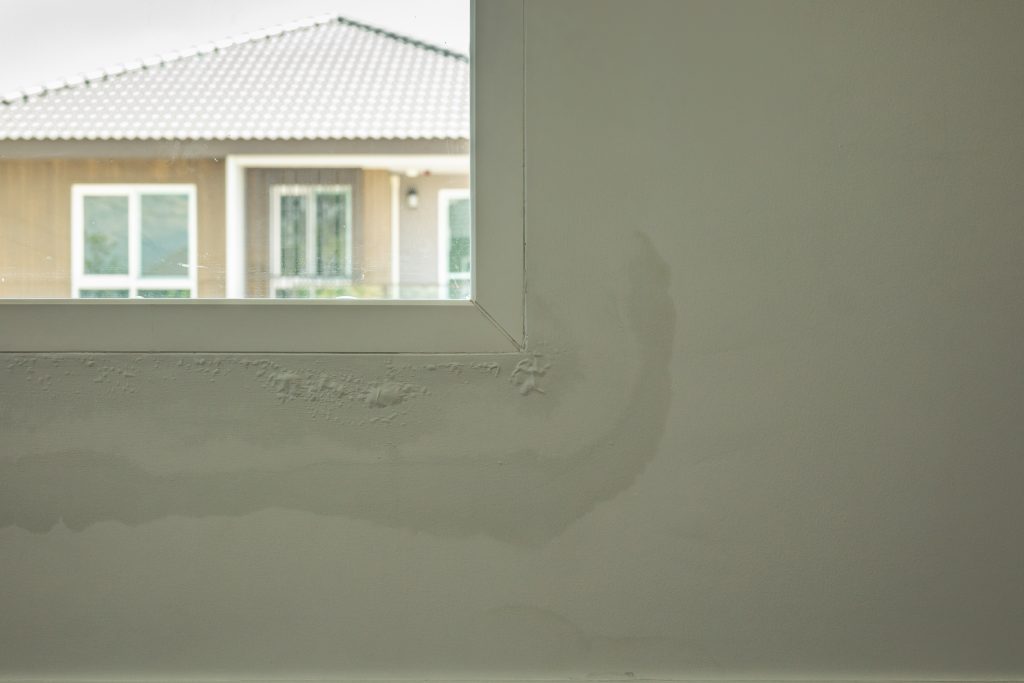
After a cleanup, everything may look dry on the surface. However, moisture often remains trapped behind walls, under flooring, and inside materials. Therefore, ignoring what cannot be seen can lead to long-term damage and health concerns. At Envirotech, the focus is not just on visible cleanup but also on what stays hidden after the job seems complete.
In many homes, moisture does not disappear on its own. Instead, it slowly spreads into nearby materials. As a result, small leftover damp areas can turn into serious problems over time. This is why proper inspection and follow-up matter just as much as the initial restoration work.
Why Moisture Stays After Cleanup
Hidden Areas That Hold Water
Water can easily move into places that are difficult to reach. For example, drywall, insulation, and subfloors absorb moisture quickly. However, they release it very slowly if not treated correctly.
After surface drying, these materials may still hold water deep inside. Consequently, even a clean-looking room may still be at risk. This is where professional drying methods become essential, especially when using services like water restoration Calgary.
Poor Airflow and Ventilation
Air movement plays a major role in drying. If airflow is limited, moisture remains trapped. In other words, without proper ventilation, damp areas take much longer to dry.
Rooms like basements and bathrooms are especially vulnerable. Meanwhile, closed spaces behind cabinets or walls can stay wet for days or even weeks. That is why controlled airflow and equipment are necessary to complete the process properly.
Risks of Leaving Moisture Behind
Mold Growth and Health Concerns
Moisture creates the perfect environment for mold. Therefore, even a small amount of leftover dampness can trigger growth within 24 to 48 hours.
Mold spreads quickly once it starts. As a result, it can affect indoor air quality and cause breathing issues. In addition, mold often grows in hidden areas, making it harder to detect early. This is why follow-up inspections are important after any restoration work.
Structural Damage Over Time
Moisture does not only affect surfaces. It also weakens structural materials over time. For instance, wood can begin to rot, and drywall can lose its strength.
At first, the damage may seem minor. However, it continues to develop quietly. Consequently, repairs become more expensive if the issue is not addressed early. Services like restoration services Calgary help prevent this by addressing both visible and hidden damage.
Common Places Where Moisture Hides
Behind Walls and Under Flooring
Water often travels behind walls without being noticed. Similarly, it can settle under flooring materials such as laminate or carpet padding.
These areas are difficult to inspect without proper tools. Therefore, relying only on visual checks is not enough. Moisture detection equipment helps identify hidden damp spots before they turn into bigger problems.
Attics and Insulated Spaces
Insulated areas can trap moisture for longer periods. For example, attics affected by roof leaks or storms may appear dry but still hold damp insulation.
Over time, this can lead to odor, mold, and reduced insulation performance. In the same vein, walls filled with insulation can stay wet long after the surface dries.
The Role of Professional Drying
Advanced Equipment and Techniques
Proper drying requires more than just fans. Professional equipment controls humidity and airflow at the same time. As a result, moisture is removed from deep inside materials.
Dehumidifiers, air movers, and moisture meters work together to ensure complete drying. For instance, services like hail wind damage restoration Calgary include detailed drying steps after storm damage.
Monitoring and Follow-Up
Drying is not a one-time step. It must be monitored over several days. Therefore, technicians check moisture levels regularly to confirm progress.
If moisture remains, adjustments are made. In other words, the process continues until all materials reach safe levels. This approach prevents future issues and ensures long-term stability.
When Moisture Leads to Hazardous Materials
Disturbing Older Materials
In older homes, moisture can affect materials that may contain hazardous substances. For example, damaged drywall or insulation may release particles when disturbed.
This becomes especially important during repairs. Consequently, safe handling is required when dealing with materials that may contain asbestos. Services like asbestos abatement Calgary address these risks carefully.
Safe Removal and Cleanup
When hazardous materials are involved, removal must follow strict procedures. Therefore, proper containment and disposal are essential.
This ensures that moisture-related damage does not create additional health risks. In addition, it protects both the property and the people inside it.
Preventing Moisture Problems in the Future
Regular Inspections
After any water-related issue, inspections should not stop at cleanup. Instead, follow-up checks help confirm that moisture is fully removed.
This approach reduces the chance of hidden damage. For instance, using professional services from Envirotech ensures that no area is overlooked.
Improving Airflow and Maintenance
Simple steps can make a big difference. For example, improving ventilation and fixing leaks quickly helps prevent moisture buildup.
In addition, maintaining proper humidity levels inside the home supports long-term protection. These small actions work together to reduce the risk of future problems.
FAQs
How long can moisture stay hidden after cleanup
Moisture can remain trapped for days or even weeks depending on materials and airflow. Therefore, proper drying and monitoring are necessary to ensure complete removal.
Can I rely on surface dryness to confirm everything is dry
No, surface dryness does not mean internal materials are dry. In other words, moisture can still exist behind walls or under flooring.
What are the first signs of hidden moisture problems
Common signs include musty odors, slight discoloration, or changes in material texture. However, some issues remain invisible without proper tools.
Is professional drying really necessary after minor water damage
Yes, even small amounts of moisture can lead to mold or structural issues. Therefore, professional drying helps prevent long-term damage.
How can I reduce the risk of moisture after restoration
Regular inspections, good ventilation, and quick response to leaks are key. In addition, working with experienced teams ensures thorough drying and prevention.