
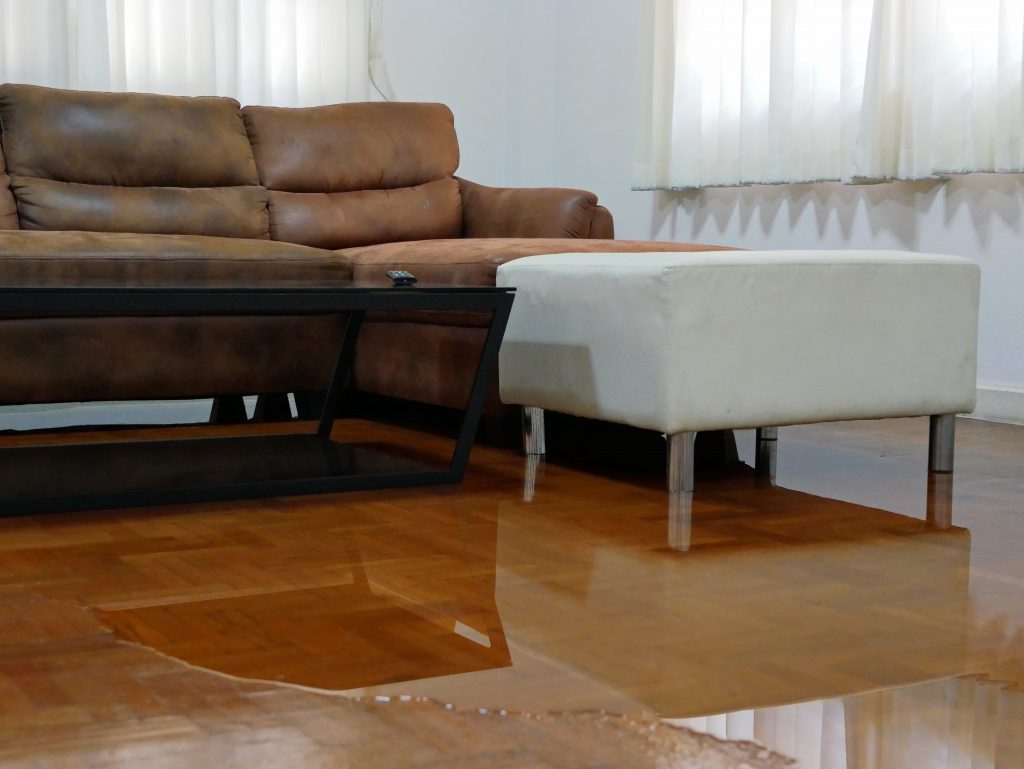
Standing water creates damage far beyond what you initially observe. Envirotech responds to water emergencies, preventing cascading damage. Water spreads through walls, ceilings, and crawl spaces. Within hours, secondary problems develop. Mold establishes itself quickly. Structural decay begins immediately. Therefore, rapid water removal prevents exponential damage growth.
How Water Spreads Through Structures
First, understand water’s behavior. Water doesn’t stay where it falls. Instead, it migrates through materials constantly. Gravity pulls water downward through walls. Capillary action draws water horizontally through materials. Water seeks the path of least resistance through your structure. Consequently, standing water in one location damages multiple areas simultaneously.
Furthermore, drywall and insulation absorb water like sponges. Once saturated, these materials begin degrading immediately. Structural framing wood swells as it absorbs moisture. Paint and adhesives fail as water undermines bonds. Materials damaged by water cannot return to original condition.
Secondary Problems Develop Rapidly
In addition, standing water creates perfect mold conditions. Within 24-48 hours, mold colonization begins. Mold spreads throughout affected areas aggressively. Hidden mold develops inside walls where you cannot see it. Immediate water removal prevents secondary damage before mold establishes itself firmly.
Mold Prevents Moisture Elimination
Moreover, moisture elimination prevents mold establishment when water damage receives immediate attention. However, if mold develops first, moisture becomes trapped inside materials. Mold creates barriers preventing water evaporation. This trapped moisture causes continuing structural decay. Mold and water damage compound each other, creating escalating problems.
Electrical Hazards From Standing Water
Specifically, water conducts electricity dangerously. Standing water near electrical systems creates shock hazards. Water in walls adjacent to electrical outlets presents electrocution risk. Damaged electrical systems may appear functional but harbor concealed hazards. Professional water restoration includes electrical system inspection.
Contaminated Water Spreads Disease
In addition, standing water becomes contaminated within hours. Bacteria and viruses colonize stagnant water. Sewage backup contaminates water with dangerous pathogens. This contaminated water spreads throughout structures. Occupants risk serious illness from exposure. Professional remediation removes contaminated water safely.
Damaged Materials Hide Hazards
Furthermore, damaged materials may contain hazardous substances when revealed by water removal. Water damage can expose asbestos-containing insulation. Lead paint may chip from water-damaged surfaces. Professional assessment identifies these hazards. Comprehensive property assessment after water damage prevents secondary health risks.
Crawl Space Water Creates Foundation Problems
Moreover, standing water in crawl spaces threatens foundations. Water puts pressure on foundation walls. Hydrostatic pressure can crack concrete foundations. Moisture encourages wood rot in support structures. Mold colonizes crawl space wood. Professional removal addresses crawl space water before structural damage becomes expensive.
Wall Cavity Water Becomes Invisible Damage
Additionally, water trapped inside walls causes hidden damage. Drywall deteriorates invisibly. Insulation loses effectiveness as it saturates. Structural framing begins decaying out of sight. Surface drying doesn’t address interior moisture. Professional assessment uses moisture meters detecting hidden water.
Flooring Damage From Standing Water
Furthermore, standing water damages flooring materials extensively. Wood floors warp, cup, and buckle. Vinyl flooring bonds fail as adhesive softens. Concrete absorbs water, promoting mold growth underneath. Professional water removal includes flooring assessment. Water-damaged materials require complete replacement when water penetration is extensive.
Insurance Claims and Water Documentation
Finally, professional restoration provides documentation for insurance claims. Photos document damage progression. Moisture readings prove water penetration depth. Professional assessment establishes damage scope. Insurance companies require this documentation. Envirotech provides comprehensive documentation supporting your claims.
FAQ
1) How quickly should I address standing water?
Immediate action is critical. Mold begins developing within 24 hours. Structural decay accelerates rapidly. Call Envirotech immediately upon discovering standing water. Same-day response prevents maximum damage. Delays compound problems exponentially.
2) What damage occurs within first 24 hours?
Within 24 hours, mold spores establish colonies. Drywall begins deteriorating. Insulation loses effectiveness. Wood materials start absorbing water. Electrical hazards develop. Professional removal within this timeframe prevents cascading damage.
3) Why can’t I just wait for water to evaporate?
Standing water doesn’t evaporate naturally. Instead, it migrates through structures damaging hidden areas. Trapped moisture creates mold conditions. Wood rot develops from trapped moisture. Professional removal extracts all water rapidly.
4) How does water damage affect home value?
Water damage reduces home value 10-30% depending on extent. Professional restoration and documentation help preserve value. Insurance coverage supports repairs. Delayed response worsens damage and reduces value further.
5) Will drying alone fix water damage?
No. Drying addresses only surface water. Hidden water continues damaging structures. Mold develops despite surface drying. Structural decay progresses invisibly. Professional removal includes hidden water extraction, preventing escalating damage.