
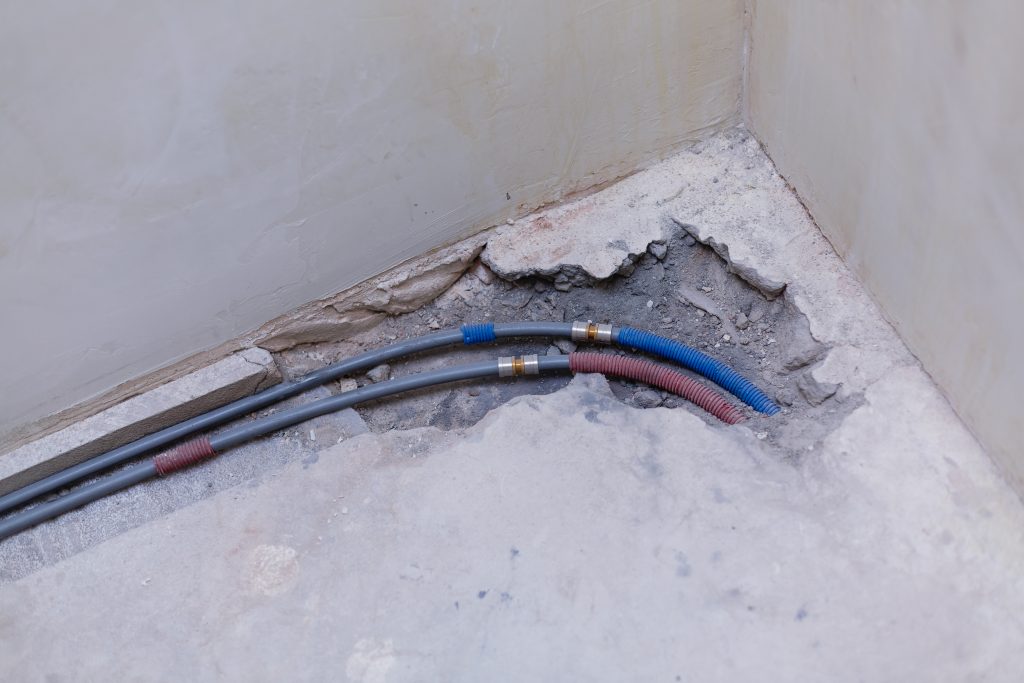
Water under floor damage often begins quietly, which is why many property owners do not notice it until serious issues appear. Envirotech handles many cases where moisture spreads beneath surfaces without clear signs at first. Therefore, understanding how water under floor damage develops can help prevent costly repairs and structural problems later.
How Water Slips Beneath Flooring Materials
Water does not always stay where you see it. Instead, it follows the easiest path and moves through small gaps, seams, and joints. For example, spilled water, plumbing leaks, or appliance failures can slowly seep through flooring layers. As a result, water under floor damage can spread far beyond the original source.
Wood, laminate, and even tile installations are not fully sealed barriers. Moisture can travel between subfloor layers and insulation. Consequently, what looks like a dry surface may hide ongoing moisture activity below. This is why early inspection matters.
Early Signs You Might Miss
Most people expect visible puddles or stains. However, hidden moisture behaves differently. Water under floor damage often shows subtle warning signs first. For instance, floors may feel slightly soft or uneven when you walk across them.
In addition, you may notice a faint musty smell that does not go away. This smell often signals trapped moisture beneath the surface. Meanwhile, minor warping or small gaps between boards can begin to form. These changes may seem small, but they point to deeper problems.
Why Hidden Moisture Becomes a Bigger Problem
Water that remains trapped under flooring does not dry quickly. Instead, it creates a damp environment that affects multiple materials at once. Therefore, water under floor damage can weaken subfloors, adhesives, and structural supports.
Moisture also creates conditions where mold can grow. Once that happens, indoor air quality can decline. As a result, what started as a minor leak can turn into a health concern. This is why fast response is critical in any hidden water situation.
Common Sources of Water Under Floor Damage
Several everyday situations lead to hidden moisture problems. Firstly, plumbing leaks under sinks or behind walls can spread slowly over time. Secondly, appliance issues such as leaking dishwashers or washing machines often release water into nearby flooring.
In addition, flooding or heavy rain can push water into lower levels of a property. Even small incidents can cause water under floor damage if moisture gets trapped. For this reason, professional inspection helps confirm the extent of the issue.
If you suspect a leak or past water exposure, it helps to review proper solutions like water restoration services in Calgary to prevent further damage.
The Role of Materials in Moisture Spread
Different flooring materials react in different ways. Hardwood absorbs moisture and expands, which leads to visible warping. Laminate may trap water underneath, which makes the damage harder to detect. Tile can hide moisture beneath grout lines and underlayment.
Because of these differences, water under floor damage does not always look the same. However, each type requires careful evaluation. Therefore, choosing the right restoration approach depends on the flooring system and how far moisture has traveled.
Why Professional Assessment Matters
Surface drying does not fix hidden problems. In many cases, moisture remains trapped below even after visible water disappears. This is where proper assessment becomes important. Specialists use tools to detect moisture levels beneath flooring layers.
Envirotech approaches these situations by focusing on the full structure, not just the surface. As a result, the source and spread of water under floor damage can be identified accurately. This helps prevent repeated issues in the same area.
In some cases, additional risks may exist. For example, older materials may require asbestos testing in Calgary before any removal or repair work begins.
Steps Taken to Address Hidden Water Issues
Handling hidden moisture requires a structured approach. Firstly, the affected area must be inspected carefully. Moisture detection tools help locate water that is not visible. After that, drying equipment targets both surface and subfloor areas.
Next, damaged materials may need removal if they cannot be restored. This step ensures that trapped moisture does not remain behind. Finally, repairs restore the flooring system to its original condition.
When larger damage occurs, full restoration services in Calgary may be required to address structural and finishing elements together.
Preventing Future Water Problems
Prevention starts with awareness. Regular checks around appliances, plumbing, and high-risk areas can reduce the chance of hidden leaks. In addition, maintaining proper sealing around flooring edges helps limit water entry.
Quick action also plays a major role. Even small spills should be dried thoroughly. Therefore, addressing moisture early reduces the risk of water under floor damage developing over time.
If a major incident occurs, such as a fire or flood, it is important to review related services like fire damage restoration in Calgary to ensure all hidden effects are handled properly.
When to Take Action Immediately
Some signs should never be ignored. For instance, persistent odors, sudden floor movement, or visible warping indicate deeper issues. In these cases, delaying action allows moisture to spread further.
Water under floor damage can expand quickly once it reaches subfloor layers. Therefore, early inspection and response protect both the structure and indoor environment. Acting quickly reduces repair scope and helps avoid long-term complications.
Final Thoughts on Hidden Water Damage
Water problems do not always show themselves right away. Instead, they develop quietly beneath surfaces until damage becomes noticeable. That is why understanding water under floor damage is essential for protecting any property.
Envirotech handles these situations by identifying hidden moisture and addressing the root cause. As a result, repairs are more effective and long lasting. If you notice early warning signs or suspect hidden moisture, taking action now helps avoid more serious issues later.
FAQs
How does water get under floors without being noticed?
Water can enter through small gaps, seams, or leaks. It often spreads slowly, so visible signs may not appear right away.
Can water under floor damage fix itself over time?
No, moisture trapped beneath flooring does not dry easily. Instead, it often spreads and causes more damage if ignored.
What type of flooring is most affected by hidden water?
Wood and laminate floors are highly affected because they absorb or trap moisture, leading to warping or hidden damage.
Is mold always present with water under floor damage?
Not always, but moisture creates ideal conditions for mold growth. Therefore, the risk increases the longer water remains.
When should I call for professional inspection?
You should call as soon as you notice odors, uneven flooring, or signs of moisture. Early inspection helps limit damage.