
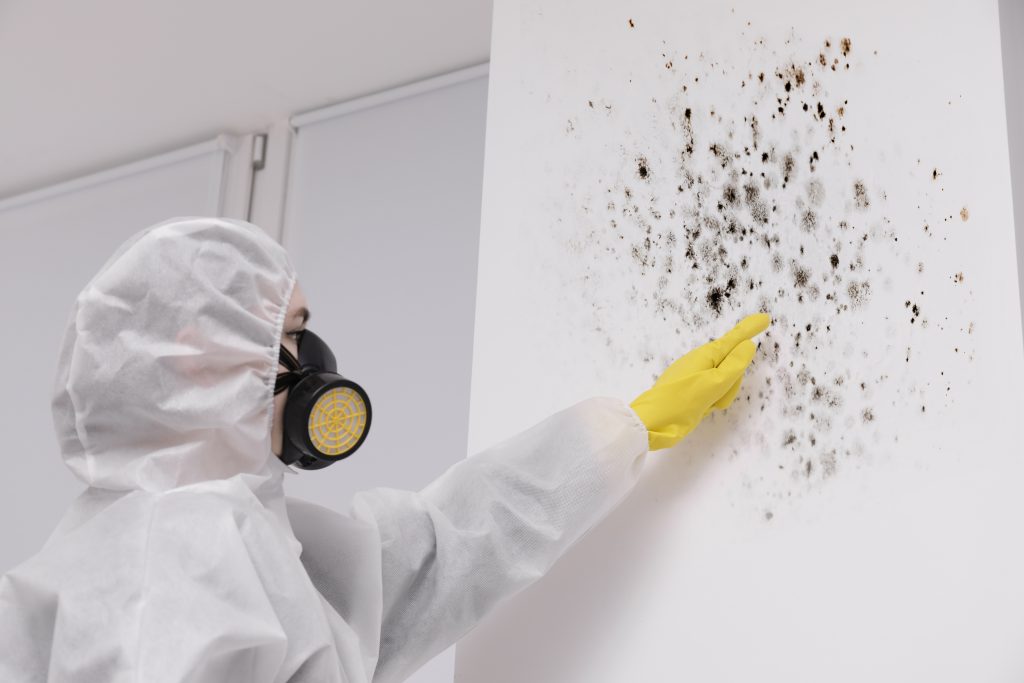
A thorough mold assessment is the first step Envirotech – Abatement & Remediation takes when a client suspects hidden moisture or musty air. The assessment tells you where mold lives, why it grew, and what to do next. Without it, cleanup often treats symptoms and misses the source. This guide walks through what happens during an assessment, what the findings mean, and how to prepare for the visit.
What a Mold Assessment Includes
A mold assessment combines observation, moisture measurement, and sometimes laboratory sampling. The goal is to answer three questions: Is mold present, how far has it spread, and what feeds it?
The assessor begins with a conversation. You describe odours, water events, health complaints, and past repairs. Those details point the investigation toward likely trouble spots.
Next comes a visual walk-through of the whole property. The assessor checks basements, bathrooms, attics, crawlspaces, and exterior walls. Instruments then take readings behind surfaces where eyes cannot reach.
The final product is a written report. It lists findings, locations, and recommendations in plain terms.
Tools Used During the Visit
Modern assessors carry more than a flashlight. Each tool reveals a different clue.
| Tool | What it detects | Why it matters |
|---|---|---|
| Moisture meter | Water content in drywall, wood, and concrete | Finds damp materials that support growth |
| Thermal imaging camera | Temperature patterns behind surfaces | Flags hidden leaks and condensation |
| Hygrometer | Relative humidity in the air | Shows whether conditions favour growth |
| Borescope | Interior of cavities through a small hole | Lets the assessor see inside walls |
| Air sampling pump | Airborne spore counts | Compares indoor air with outdoor air |
| Surface swabs and tape lifts | Spores on a visible surface | Confirms whether a stain is mold |
No single tool tells the whole story. The assessor weighs readings together and cross-checks them against what the building shows.
Why Moisture Is the Real Target of Every Assessment
Mold needs moisture, organic material, and time. Remove the water source and the growth stops. That is why a good mold assessment spends as much effort on moisture as on mold itself.
Common sources in Calgary homes include window condensation in winter, leaking plumbing, basement seepage during spring melt, and poor bathroom ventilation. Roof leaks and ice dams also feed attic mold.
An assessor traces each reading back to a cause. For example, a damp patch on a basement wall might come from a cracked window well, a clogged downspout, or high indoor humidity. Each cause has a different fix.
If you skip this step, mold returns after cleanup. Our article on how to stop mold from coming back after treatment explains why.
Reading the Findings: What Your Report Tells You
A good report is specific. It names each affected area, describes the material involved, and notes moisture readings. It may include photos and a floor plan with marked locations.
The report also ranks priorities. Active growth with high moisture needs fast action. Old, dry staining may need only monitoring. Lab results, if sampled, list the types of spores found and their relative levels.
Keep these tips in mind when you read your report:
- Spore counts mean little without context. Compare them with outdoor samples.
- Visible growth matters more than a single number.
- Recommendations should address the moisture source, not only the mold.
- Ask the assessor to explain any term you do not understand.
Our guide to what a professional mold inspection reveals covers related ground and explains how sampling fits in.
Assessment Versus Testing
People often use the two terms as if they mean the same thing. They do not. Testing collects samples and reports what the lab finds. An assessment goes further, because it explains where the mold is, why it grew, and what steps should follow.
Think of testing as one tool inside the assessment. Sometimes the assessor takes no samples at all, because the visible evidence and moisture data already answer the key questions. Other times, samples prove that a hidden problem exists.
If you want only a lab number, ask for testing. If you want a plan, ask for the full assessment.
Many owners also ask about timing within a renovation. Book the visit before demolition, not after. Opening walls first can spread growth, and it destroys evidence the assessor needs. A short wait for the report is far better than a surprise mid-project.
Preparing Your Home Before the Assessor Arrives
A little preparation makes the visit more productive. Start by listing every water event you remember, with approximate dates. Include roof leaks, appliance failures, and floods.
Clear access to key areas. Move boxes away from basement walls, and make sure the assessor can reach the attic hatch and any crawlspace. Unlock utility rooms.
Keep your normal ventilation habits for a day or two before the visit. Do not run extra fans or air purifiers just to make the air smell better. The assessor needs to see real conditions.
Finally, note any symptoms that improve when you leave the house. Share that pattern with the assessor. It helps focus the search.
When to Book a Mold Assessment
Several situations call for an assessment right away. A musty odour that returns after cleaning is a classic one. So is any visible growth larger than a small patch.
Water damage that sat for more than a day or two also warrants a check. Mold can start within 24 to 48 hours in damp materials, according to common industry guidance. Buying or selling a home is another good reason, especially for older properties.
Seasonal timing matters too. Spring melt and humid summer weeks raise the odds of trouble. Winter condensation on windows can signal hidden damp as well.
From Assessment to Action
After the assessment, you choose a path. Small, surface-level problems may allow a careful local cleanup once the moisture source is fixed. Larger or hidden problems call for containment and professional removal.
You can read about the removal side on our mold removal page for Calgary. If you want testing details, see the mold testing page.
For general background on moisture and indoor mold, the U.S. Environmental Protection Agency offers a helpful mold information resource. Use it alongside advice from a local professional who knows Alberta homes.
Frequently Asked Questions
How long does the visit take?
Most home visits take a few hours, depending on the size of the property and the number of problem areas. Larger homes or complex moisture issues take longer. The written report follows once any lab results come back.
Do I need air sampling every time?
Not always. When growth is visible and moisture readings confirm the cause, sampling may add little. Sampling helps when you smell mold but cannot find it, or when you need documentation.
Can I assess mold myself with a hardware-store kit?
Home kits can show that spores exist, which they do in every home. They cannot locate hidden growth or find the moisture source. A trained assessor uses instruments that go far beyond a petri dish.
Will the assessor damage my walls?
Most work is non-invasive. If a cavity needs inspection, the assessor may drill a very small hole for a borescope. Larger openings happen only with your approval.
Book With Envirotech – Abatement & Remediation
Ready to find out what is behind that musty smell? Call (403) 608-2747 or visit 5545 1A Street SW, Calgary, AB T2H 0E6. We are open Monday – Saturday, 8 a.m. – 6 p.m. We give an honest quote after assessing your property.