
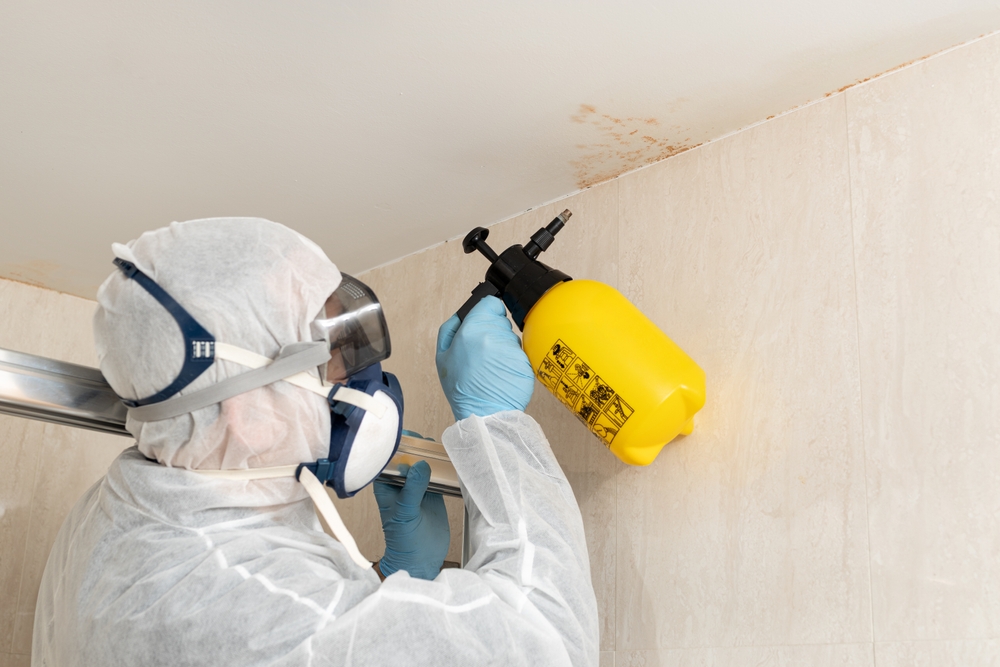
Envirotech Abatement & Remediation gets the same frustrated call every few months: a homeowner who invested in mold removal Calgary services only to see staining or that familiar musty smell return within a season. Regrowth after remediation is almost always a sign that the underlying moisture source was never fully resolved. It rarely means the cleaning itself failed. Understanding why mold comes back helps homeowners avoid paying for the same problem twice, and knowing what a truly complete mold removal Calgary project looks like makes the difference. This guide covers the common causes of regrowth and how to prevent them.
Why Mold Removal Calgary Projects Sometimes Fail Long Term
Mold remediation addresses visible and hidden growth at the time of the project. It cannot fix a leaking pipe, poor ventilation, or a foundation crack on its own. If the moisture source stays active, surviving spores will recolonize the same damp surface. New spores from the air add to the problem. This is the single most common reason regrowth happens after an otherwise thorough cleaning.
Another frequent cause is incomplete removal of porous materials. Drywall, insulation, and some types of subfloor can trap mold deep within their structure. Surface cleaning alone will not reach spores embedded below the visible layer.
The Root Causes of Recurring Mold
Identifying the true root cause often takes a closer look than a homeowner can manage alone. Moisture sources are frequently hidden behind finished walls or under flooring. A professional inspection traces staining or odor back to its origin, rather than assuming the nearest visible damage is the whole story. The table below summarizes the most common culprits we encounter across Calgary homes and condos.
| Cause | Why It Leads to Regrowth | How to Address It |
|---|---|---|
| Unresolved plumbing leak | Continuous moisture feeds new growth | Repair the leak before or during remediation |
| Poor bathroom or kitchen ventilation | Humidity has nowhere to escape | Install or upgrade exhaust fans |
| Incomplete removal of porous material | Spores remain embedded below the surface | Full removal and replacement of affected material |
| Foundation cracks or grading issues | Groundwater intrusion during wet seasons | Exterior grading correction or crack sealing |
| Condensation on cold surfaces | Repeated moisture cycling | Improve insulation and airflow |
Bathroom Mold: A Common Repeat Offender
Bathrooms are the most frequent site of recurring mold. They combine high humidity with limited airflow. Grout lines, silicone seals around tubs, and the area behind toilets are common trouble spots. A quick cleaning often misses these spots entirely. Our article on why bathroom mold keeps coming back breaks down the habits and fixes that make the biggest difference.
Run the exhaust fan for at least twenty minutes after every shower. Wipe down wet surfaces afterward to cut the moisture available for spores. These small daily habits matter as much as the initial remediation work itself.
What a Complete Mold Removal Calgary Project Includes
A thorough project starts with testing to confirm the extent of growth. Containment comes next, which prevents spores from spreading to unaffected areas during the work. Our breakdown of the professional mold containment process explains how this stage protects the rest of the home.
Removal of unsalvageable material follows, along with HEPA-filtered air scrubbing and antimicrobial treatment of surfaces that can be saved. The final and most important step is identifying and correcting the moisture source. Skipping this step is the single biggest predictor of regrowth.
Post-Remediation Verification
A complete project includes a follow-up inspection or air quality test once the work is finished. This confirms the space meets acceptable standards. This step gives homeowners documented confidence that the job was done thoroughly, rather than just visually.
Maintenance Habits That Prevent Regrowth
Simple, consistent habits go a long way toward keeping mold from returning after a remediation project. Most recurring cases we see trace back to one or two small maintenance gaps, rather than a failure of the original work. Building a short seasonal checklist and sticking to it is often enough to keep a previously treated area problem-free for years.
A few habits worth building into a regular routine include:
- Running exhaust fans during and after showers or cooking
- Checking under sinks and around appliances for slow leaks monthly
- Keeping basement humidity below recommended indoor levels with a dehumidifier
- Cleaning gutters and checking exterior grading before spring runoff
- Inspecting attic ventilation annually, especially before winter
Documenting Your Remediation for Future Reference
Keep a copy of the original remediation report on hand. It should note which materials were removed and where the moisture source was located. This makes any future inspection faster and more accurate. If regrowth does occur, a technician can compare new findings against the original project scope. That comparison shows whether the same issue resurfaced or a new one developed. This record is also useful when selling a property, since buyers and their inspectors often ask about past mold history.
When to Call for a Follow-Up Inspection
If a musty smell or visible staining returns within months of a completed project, schedule a follow-up inspection. Avoid attempting another round of surface cleaning on your own. A returning problem usually points to a moisture source that was missed, or a new leak that developed separately from the original issue. Our mold removal Calgary services page outlines how our team approaches these follow-up assessments.
Guidance from the World Health Organization on indoor air quality and dampness reinforces this point well. Addressing the moisture source, not just the visible mold, stays central to any lasting solution.
Frequently Asked Questions
Why did mold come back after I already had it professionally removed?
Regrowth almost always means the moisture source was not fully resolved. It can also mean some spores remained in porous material that was not removed. A follow-up inspection can identify exactly where the gap occurred.
How long should mold removal results last?
With the moisture source corrected and reasonable maintenance habits in place, results should last indefinitely. Recurring growth within the same year usually signals an unresolved underlying issue.
Can I prevent bathroom mold without major renovations?
Yes, in most cases. Improved ventilation habits, regular cleaning of grout and seals, and prompt attention to leaks address most bathroom mold recurrence without structural changes.
Is regrowth a sign the original contractor did poor work?
Not always. Regrowth can happen even after thorough remediation if a new leak develops. Seasonal humidity changes can also introduce fresh moisture to an area.
What should I do if I notice mold again right away?
Contact a professional for a follow-up inspection rather than attempting repeated surface cleaning. The underlying cause needs identification before further treatment will hold.
Contact Envirotech Abatement & Remediation
If mold has returned after a previous cleaning or removal attempt, our team can identify the underlying cause and recommend a lasting solution. We serve Calgary and nearby communities including Airdrie, Cochrane, and Chestermere. Reach Envirotech Abatement & Remediation at (403) 608-2747 or visit 5545 1A Street SW, Calgary, AB T2H 0E6. We’re open Monday through Saturday, 8 a.m. to 6 p.m.